


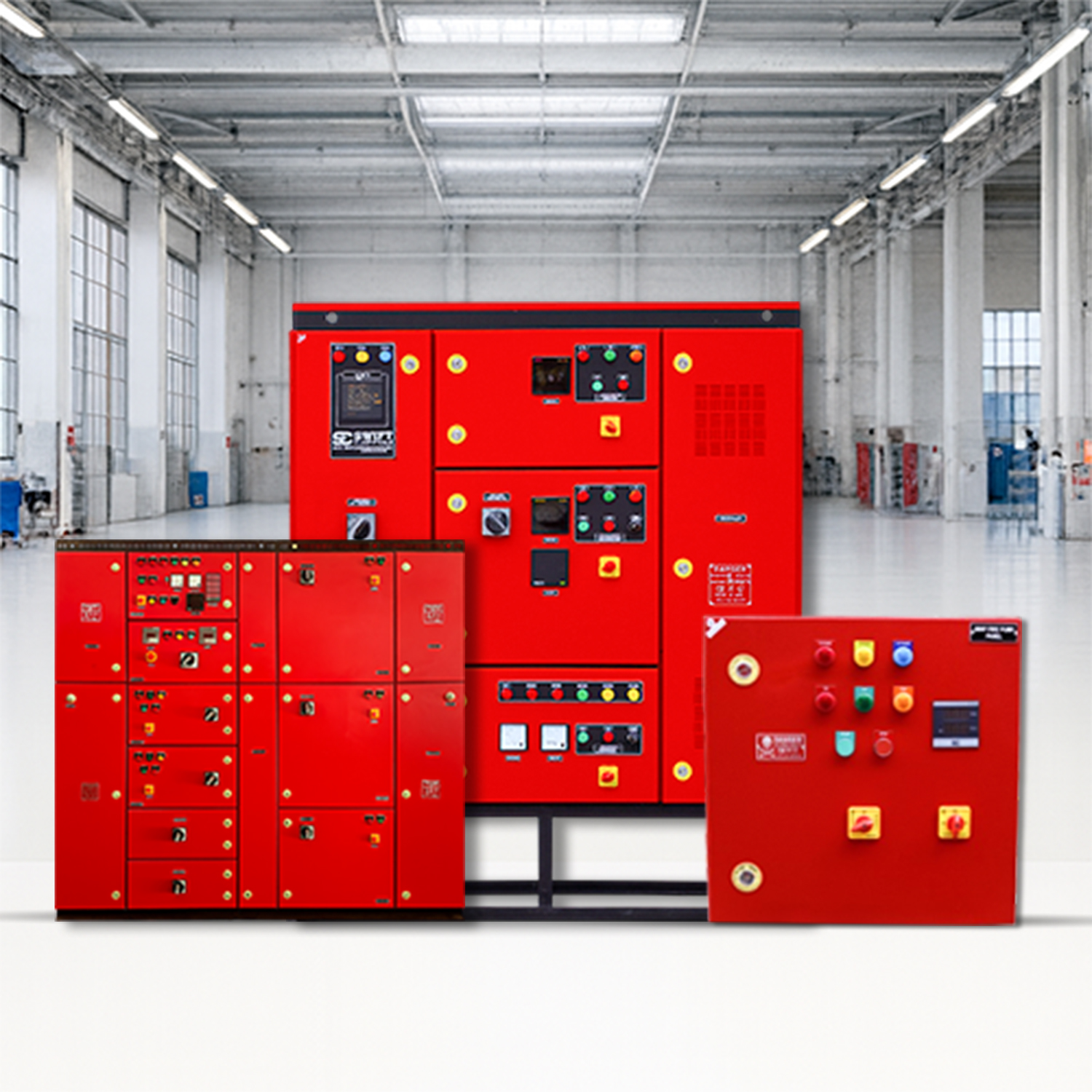
Why Power Factor Correction is Important for Manufacturing Units
Understand why Power Factor Correction is crucial for manufacturing units in Ahmedabad. Improve energy efficiency, reduce costs, and enhance equipment lifespan.
Why This Matters in Ahmedabad
Ahmedabad, a prominent industrial hub in Gujarat, hosts a diverse range of manufacturing sectors, including textiles, pharmaceuticals, chemicals, and engineering. These industries operate with extensive motor loads, induction furnaces, and welding equipment, which inherently draw significant reactive power from the grid. The local electricity boards often impose penalties for low power factor, directly impacting operational costs for businesses in the region. Implementing effective Power Factor Correction solutions helps Ahmedabad-based manufacturers mitigate these penalties, improve grid stability, and support the region's industrial growth trajectory.
What is Power Factor Correction — Overview
Power Factor Correction (PFC) is a technique used to improve the power factor of an electrical load, thereby increasing the efficiency of the power supply. In AC electrical power systems, power factor is defined as the ratio of real power (kW) to apparent power (kVA). A low power factor indicates that a significant portion of the supplied power is reactive power, which does no useful work but still flows through the system, causing losses and inefficiencies. PFC typically involves installing capacitors into the electrical network to counteract the inductive loads, bringing the power factor closer to unity (1.0).
Key Features and Technical Specifications
- Automatic Power Factor Control (APFC) Relays: Continuously monitor power factor and switch capacitor banks as needed.
- Heavy-Duty Capacitors: Designed for industrial environments, offering high capacitance and long operational life.
- Harmonic Filters: Mitigate harmonic distortions often present in industrial electrical systems, protecting equipment.
- Modular Design: Allows for easy expansion or modification of capacitor banks based on changing load requirements.
- Overcurrent and Overvoltage Protection: Safeguards the PFC system and connected equipment from electrical faults.
- Ventilation Systems: Ensure optimal operating temperatures for capacitors, enhancing their lifespan and performance.
- Robust Enclosures: Provide protection against dust, moisture, and mechanical impact in industrial settings.
Industrial Applications and Use Cases
- Textile Mills: Correcting power factor for numerous motors driving looms, spinning machines, and processing units.
- Pharmaceutical Plants: Optimizing power usage for HVAC systems, process machinery, and cleanroom equipment.
- Chemical Processing Facilities: Managing reactive loads from large pumps, mixers, and reactors.
- Automobile Manufacturing: Improving efficiency in welding operations, assembly lines, and robotic systems.
- Plastic and Rubber Industries: Addressing power factor issues from injection molding machines, extruders, and heating elements.
- Metal Fabrication: Enhancing power quality for arc furnaces, induction heaters, and heavy-duty presses.
- Food Processing Units: Reducing energy waste from refrigeration systems, conveyors, and packaging machinery.
How to Choose the Right Power Factor Correction System
Selecting an appropriate Power Factor Correction system requires careful consideration of several technical and operational factors. A thorough assessment of your facility's electrical profile is the first step. This includes understanding the existing power factor, identifying significant inductive loads, and analyzing harmonic content within the network.
- Conduct a Comprehensive Power Audit: Accurately measure existing power factor, reactive power demand, and harmonic distortion levels.
- Determine Required Capacity: Calculate the precise kVAR rating needed to achieve the target power factor, avoiding over or under-compensation.
- Assess Harmonic Content: If significant harmonics are present, consider detuned or tuned harmonic filter reactors in conjunction with capacitors.
- Evaluate Component Quality: Prioritize systems with high-grade capacitors, reliable APFC relays, and robust switchgear from reputable manufacturers.
- Consider System Scalability: Choose a modular design that allows for future expansion or adjustments as your facility's load profile changes.
- Verify Certifications and Standards: Ensure the system complies with relevant national and international electrical safety and performance standards.
- Supplier Experience and Support: Partner with a supplier who offers proven expertise in design, installation, commissioning, and ongoing maintenance.
- After-Sales Service: Confirm the availability of technical support, spare parts, and routine maintenance services to ensure long-term reliability.
Quality Standards and Compliance
Adherence to established quality standards and compliance regulations is paramount for any electrical installation, especially for Power Factor Correction systems. In India, relevant standards include those from the Bureau of Indian Standards (BIS), such as IS 13340 for shunt capacitors. International standards like IEC 60831 for shunt power capacitors are also widely recognized and applied. Buyers should verify that the PFC panels and their components meet these specifications, ensuring safety, performance, and longevity. Certifications like ISO 9001 for the manufacturing process further indicate a commitment to quality management.
Why Company Experience and Capability Matters
The effective implementation of Power Factor Correction systems demands a supplier with deep technical understanding and proven execution capability. Swiftkon Electromech Pvt. Ltd. brings extensive experience in designing and manufacturing advanced electrical control panels, including solutions for reactive power management. Our journey, starting with panel retrofitting in 2010 and evolving into full-scale manufacturing by 2015, reflects a continuous commitment to engineering excellence. We focus on delivering tailor-made solutions that integrate seamlessly into diverse industrial environments. Our skilled team, modern manufacturing facilities, and strict quality control processes ensure that every panel is engineered for superior performance, reliability, and a long operational life. We understand the nuances of industrial power systems and provide solutions that meet national and international standards, offering robust customization ability and reliable delivery.
Installation, Maintenance and Care Tips
Proper installation and regular maintenance are crucial for the optimal performance and longevity of any Power Factor Correction system. Incorrect installation can lead to safety hazards, reduced efficiency, or premature component failure.
- Professional Installation: Always engage qualified electrical engineers for the installation of PFC panels. They ensure correct wiring, grounding, and integration with existing electrical infrastructure.
- Regular Inspections: Conduct routine visual inspections of capacitors, contactors, and wiring for any signs of wear, overheating, or damage.
- Capacitor Testing: Periodically test capacitor banks to verify their capacitance values and identify any degradation.
- Harmonic Analysis: If your facility has dynamic loads or non-linear equipment, conduct periodic harmonic analysis to ensure the PFC system is still effectively mitigating distortions.
- Ventilation Check: Ensure that the cooling fans and ventilation grilles of the PFC panel are clean and unobstructed to prevent overheating.
- Tighten Connections: Regularly check and tighten all electrical connections to prevent loose contacts, which can cause arcing and heat buildup.
- Environmental Control: Maintain a clean and dry environment around the PFC panel, protecting it from dust, moisture, and corrosive elements.
Frequently Asked Questions
Improving power factor leads to several key benefits for manufacturing units. It reduces electricity bills by minimizing reactive power penalties and lowering demand charges. It also frees up capacity in the electrical system, allowing for additional load without expensive upgrades. Furthermore, a better power factor reduces voltage drops, improves voltage stability, and extends the lifespan of electrical equipment by reducing operating temperatures.
A low power factor means that equipment draws more current than necessary to perform the same amount of useful work. This excess current flow generates more heat in transformers, cables, and motors, leading to increased wear and tear. Over time, this can reduce the lifespan of electrical components, cause premature failures, and necessitate more frequent maintenance or costly replacements, impacting overall operational reliability.
While the initial installation of a Power Factor Correction system is a significant step, it is not a set-and-forget solution. Industrial loads can change over time, affecting the optimal power factor. Regular monitoring, periodic maintenance, and occasional adjustments or upgrades to the capacitor banks are necessary to ensure the system continues to operate efficiently and effectively, maintaining the desired power factor for evolving operational needs.
The payback period for a Power Factor Correction system can vary significantly depending on factors such as the initial investment cost, the existing power factor, the size of the manufacturing unit, and the local electricity tariffs and penalty structures. However, many manufacturing units experience a payback period ranging from 12 to 36 months due to substantial savings on electricity bills and reduced operational losses.
Yes, Power Factor Correction can significantly contribute to improved voltage stability within a manufacturing unit. Low power factor often leads to increased current flow, which causes greater voltage drops across cables and transformers. By compensating for reactive power, PFC reduces the overall current, thereby minimizing these voltage drops and helping to maintain a more stable and consistent voltage level at the load points, which is crucial for sensitive machinery.
Active power (measured in kW) performs useful work, like driving motors or generating heat. Reactive power (measured in kVAR) is necessary to establish and maintain magnetic fields in inductive equipment but does no useful work. Apparent power (measured in kVA) is the total power drawn from the source, which is the vector sum of active and reactive power. Power Factor Correction aims to reduce the reactive power component.
Conclusion
For manufacturing units in Ahmedabad and across industrial landscapes, understanding why Power Factor Correction is important for manufacturing units is not merely a technical detail; it is a strategic imperative. Implementing effective PFC solutions leads to tangible benefits, including reduced electricity costs, enhanced system capacity, improved voltage regulation, and extended equipment life. Partnering with experienced providers like Swiftkon Electromech Pvt. Ltd. ensures that your facility receives a robust, tailor-made solution designed for long-term efficiency and reliability. Investing in Power Factor Correction is a proactive step towards sustainable operations and greater profitability.
Get In Touch
Swiftkon Electromech Pvt. Ltd.