


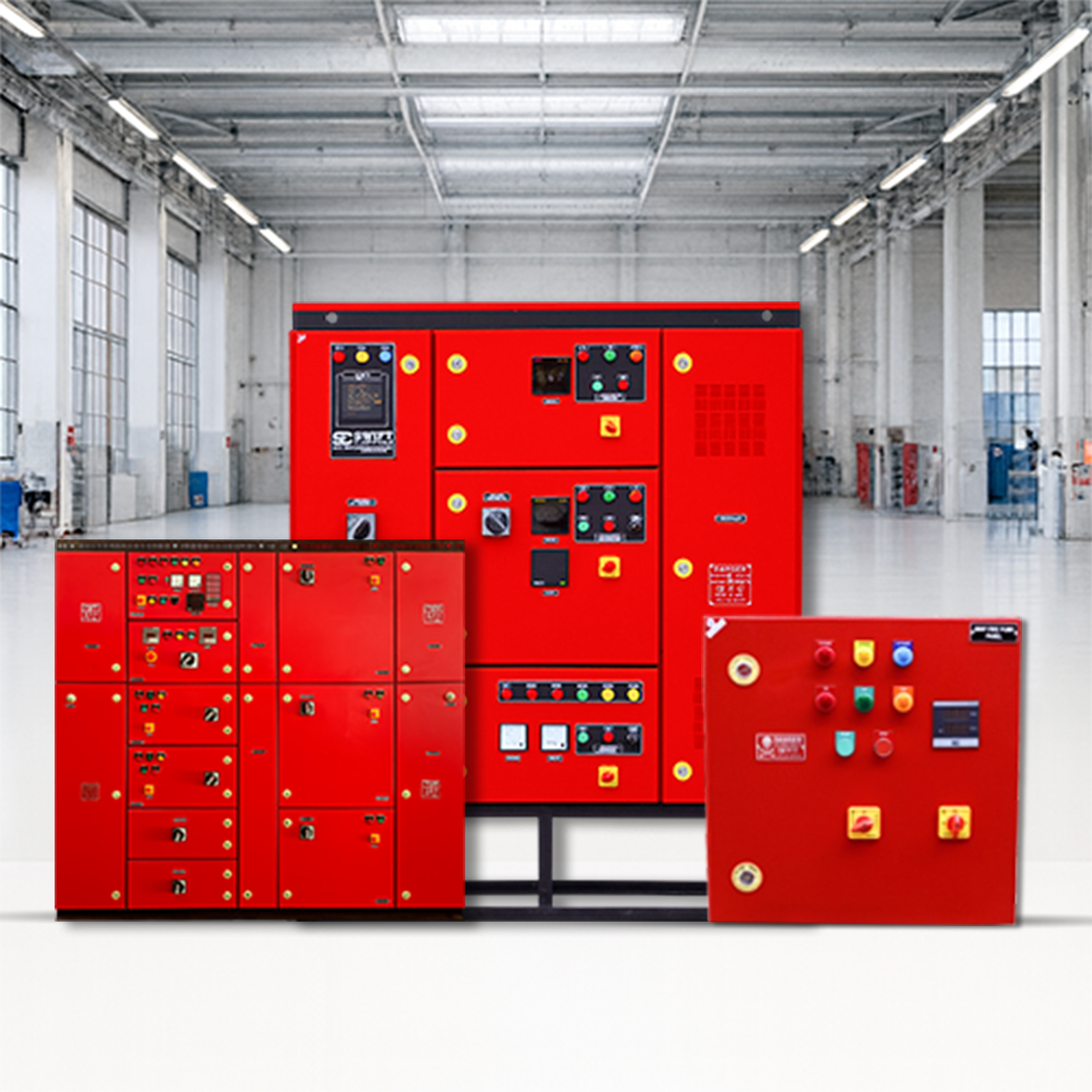
Why Industries Need Custom Built Electrical Control Panels
Discover why custom built electrical control panels are essential for industrial efficiency, safety, and tailored operations in Ahmedabad. Learn key benefits an
Why This Matters in Ahmedabad
Ahmedabad, a significant industrial hub in Gujarat, hosts a diverse range of sectors including manufacturing, textiles, pharmaceuticals, infrastructure development, and advanced automation. Each of these industries operates with distinct processes, machinery, and regulatory requirements. Standard electrical panels cannot adequately cater to the specific motor control, power distribution, or safety protocols unique to a pharmaceutical cleanroom versus a heavy machinery manufacturing plant. The city's rapid industrial growth and emphasis on technological advancement further underscore the need for electrical control solutions that are precisely engineered for specific operational contexts.
What is Custom Built Electrical Control Panels — Overview
A custom built electrical control panel is an enclosure housing electrical components designed and assembled to perform specific functions within an industrial or commercial setting. Unlike mass-produced panels, these units are engineered from the ground up to meet the exact operational parameters, environmental conditions, and safety standards of a particular application. They integrate various components such as circuit breakers, motor starters, programmable logic controllers (PLCs), variable frequency drives (VFDs), relays, and human-machine interfaces (HMIs) into a cohesive system. This tailored approach ensures optimal performance, efficient power management, and seamless automation for the intended purpose.
Key Features and Technical Specifications
- Application-Specific Design: Engineered to precisely match the unique operational requirements, load characteristics, and control logic of the industrial process.
- Integrated Component Selection: Incorporates a specific array of circuit breakers, contactors, relays, PLCs, VFDs, and HMIs chosen for the application.
- Optimized Space Utilization: Internal layout is designed for efficient component placement, ease of wiring, and accessibility for maintenance.
- Robust Enclosure Ratings: Constructed with materials and sealing mechanisms to achieve specific Ingress Protection (IP) ratings, protecting against dust, water, and harsh environments.
- Advanced Safety Features: Includes emergency stop functions, interlocking mechanisms, overload protection, and fault detection systems tailored to operational risks.
- Scalability and Future-Proofing: Designed with consideration for potential future expansion or integration of new technologies, minimizing future upgrade costs.
- Compliance with Standards: Built to adhere to relevant national and international electrical and safety standards, such as IEC, IS, and local regulatory codes.
- Enhanced Diagnostics and Monitoring: Often includes provisions for remote monitoring, data logging, and diagnostic feedback to improve operational visibility.
Industrial Applications and Use Cases
- Manufacturing Process Control: Automating production lines, conveyor systems, and specialized machinery in textile, automotive, or food processing plants.
- Water Treatment and Pumping Stations: Managing pumps, valves, and filtration systems for municipal water supply or industrial wastewater treatment.
- HVAC and Building Management Systems: Controlling large-scale heating, ventilation, and air conditioning units in commercial complexes, data centers, or hospitals.
- Material Handling Systems: Operating cranes, hoists, and automated storage and retrieval systems in warehouses and logistics centers.
- Power Generation and Distribution: Managing switchgear, transformers, and protection relays in substations or captive power plants.
- Fire Safety and Suppression: Controlling fire pumps, alarm systems, and emergency lighting in industrial facilities and high-rise buildings.
- Plastic and Rubber Machinery: Providing precise temperature, pressure, and motion control for injection molding, extrusion, or blow molding machines.
- Chemical and Pharmaceutical Processing: Ensuring precise control over mixing, heating, and reaction processes in sensitive and regulated environments.
How to Choose the Right Custom Built Electrical Control Panel
Selecting a custom built electrical control panel requires careful consideration to ensure it meets your specific operational needs and long-term objectives. Begin by thoroughly assessing your exact requirements, including power specifications, control logic, environmental conditions, and desired automation level.
- Define Specific Operational Requirements: Clearly outline the functions the panel needs to perform, the machinery it will control, and the desired level of automation.
- Verify Compliance and Certifications: Ensure the manufacturer adheres to relevant industry standards (e.g., IEC, IS, ISO) and can provide necessary certifications for components and the finished panel.
- Evaluate Manufacturer's Experience and Expertise: Look for a supplier with a proven track record in designing and manufacturing custom panels for similar applications and industries.
- Assess Component Quality and Sourcing: Inquire about the brands and quality of internal components used, ensuring they are reliable and readily available for future maintenance.
- Review Design and Engineering Capabilities: A capable manufacturer should offer detailed design proposals, electrical schematics, and 3D layouts for review before fabrication.
- Consider After-Sales Support and Service: Confirm the availability of installation assistance, commissioning support, warranty, and ongoing maintenance services.
- Discuss Scalability and Future Needs: Plan for potential future expansions or modifications to ensure the panel can adapt without requiring a complete overhaul.
- Examine Quality Control and Testing Procedures: Understand the manufacturer's internal quality checks and factory acceptance testing (FAT) processes to ensure reliability.
Quality Standards and Compliance
Adherence to stringent quality standards and compliance regulations is paramount for electrical control panels, especially those custom-built for industrial applications. These standards ensure operational safety, reliability, and longevity. Key certifications and standards often include ISO 9001 for quality management systems, which demonstrates a commitment to consistent quality. Electrical panels must also comply with specific product standards such as those from the International Electrotechnical Commission (IEC) or Indian Standards (IS), which cover aspects like enclosure protection (IP ratings), electrical safety, and performance characteristics. Buyers should always verify that the manufacturer's processes and the final product meet these relevant national and international benchmarks. This verification ensures the panel is not only functional but also safe for personnel and equipment, and compliant with local electrical codes and industry-specific regulations.
Why Company Experience and Capability Matters
The complexity of custom built electrical control panels demands a manufacturer with deep experience and robust technical capability. Swiftkon Electromech Pvt. Ltd. has a history rooted in electrical solutions, evolving from Swift Electricals in 2010, which focused on panel retrofitting and wiring. This foundational experience provided a practical understanding of diverse industrial electrical needs. By 2015, the company established its own manufacturing facility, beginning to produce panels for corporate clients, signifying a significant step in capability. Our subsequent entry into specialized segments like fire safety and plastic machinery in 2017 further broadened our expertise in application-specific solutions. The 2024 rebranding and merger into Swiftkon Electromech Pvt. Ltd. consolidated this extensive experience, allowing us to offer a comprehensive range of custom panels, including DOL starters, Star-Delta panels, Fire Pump panels, AMF panels, and complex MCC & PCC panels. Our modern facilities, skilled engineering team, and rigorous quality control processes ensure that every panel is designed, manufactured, and tested to meet precise client specifications and deliver reliable performance.
Installation, Maintenance and Care Tips
Proper installation, regular maintenance, and diligent care are crucial for maximizing the lifespan and ensuring the safe operation of any custom built electrical control panel. These panels are the brain of your industrial operations, and their consistent performance directly impacts productivity and safety.
- Professional Installation: Always engage certified electricians or technicians for the installation process. They ensure proper wiring, grounding, and connection to power sources and controlled equipment, adhering to all local electrical codes and manufacturer guidelines.
- Initial Commissioning: After installation, a thorough commissioning process should be performed. This involves testing all circuits, verifying control logic, and calibrating instruments to ensure the panel operates as designed before full deployment.
- Regular Visual Inspections: Conduct routine visual checks for any signs of wear, loose connections, dust accumulation, or overheating. Look for discolored wires, burnt smells, or unusual noises.
- Scheduled Preventive Maintenance: Implement a preventive maintenance schedule. This typically includes cleaning internal components, tightening electrical connections, checking insulation integrity, and verifying the functionality of protective devices like circuit breakers and relays.
- Environmental Control: Ensure the panel's operating environment remains within specified temperature and humidity ranges. Proper ventilation is critical to prevent overheating, which can degrade components over time.
- Documentation and Record Keeping: Maintain detailed records of all maintenance activities, component replacements, and operational parameters. This documentation is invaluable for troubleshooting and future planning.
- Component Replacement: Replace worn or faulty components promptly with genuine parts or approved equivalents. Adhere to the manufacturer's recommendations for component lifespan.
- Safety Protocols: Always follow lockout/tagout procedures before performing any maintenance or inspection work on the panel to ensure personnel safety.
Frequently Asked Questions
A custom built electrical control panel is designed and manufactured specifically to meet the unique operational requirements, environmental conditions, and safety standards of a particular industrial application. Unlike standard, off-the-shelf panels, it integrates specific components and control logic tailored to the client's machinery, processes, and desired automation level, ensuring optimal performance and efficiency for that precise use case.
Custom panels enhance efficiency by precisely controlling specific processes, reducing manual intervention, and optimizing energy consumption. Their tailored design ensures that all components work in harmony, minimizing downtime due to incompatibilities or inadequate functionality. This precision control leads to consistent product quality, faster production cycles, and streamlined operations, directly contributing to overall industrial efficiency.
While the initial investment for a custom built panel might be higher than a generic, mass-produced alternative, they often prove more cost-effective in the long run. Custom panels prevent costly modifications, reduce operational inefficiencies, and minimize downtime associated with ill-fitting standard solutions. Their precise design ensures optimal performance and longevity, leading to significant savings in maintenance, energy, and production losses over time.
Custom panels are engineered with specific safety features tailored to the application's risks, including precise overload protection, emergency stop functions, and interlocking mechanisms. They are built to comply with relevant safety standards, ensuring that personnel and equipment are protected from electrical hazards. This bespoke approach significantly reduces the likelihood of accidents, equipment damage, and operational disruptions.
The timeline for designing and building a custom electrical control panel varies significantly based on its complexity, the number of components, and specific customization requirements. Simple panels might take a few weeks, while highly complex systems with advanced automation and integration can require several months from initial consultation and design approval to fabrication and factory acceptance testing.
To request a custom panel design, you should provide detailed information about the application, including power requirements (voltage, current, phases), the types of machinery or processes to be controlled, desired automation level, environmental conditions (temperature, humidity, dust), required safety features, and any specific industry standards or certifications that must be met. Electrical schematics or process flow diagrams are also highly beneficial.
Conclusion
The demand for custom built electrical control panels reflects the intricate and specialized nature of modern industrial operations. These tailored solutions are not merely enclosures for electrical components; they are critical systems engineered to optimize performance, enhance safety, and ensure the precise control necessary for complex processes. For industries in Ahmedabad and beyond, investing in a custom panel means securing a solution that perfectly aligns with unique operational demands, contributing to greater efficiency, reliability, and long-term success. Choosing an experienced manufacturer who understands these specific needs is key to realizing the full benefits of such a vital industrial asset.
Get In Touch
Swiftkon Electromech Pvt. Ltd.