


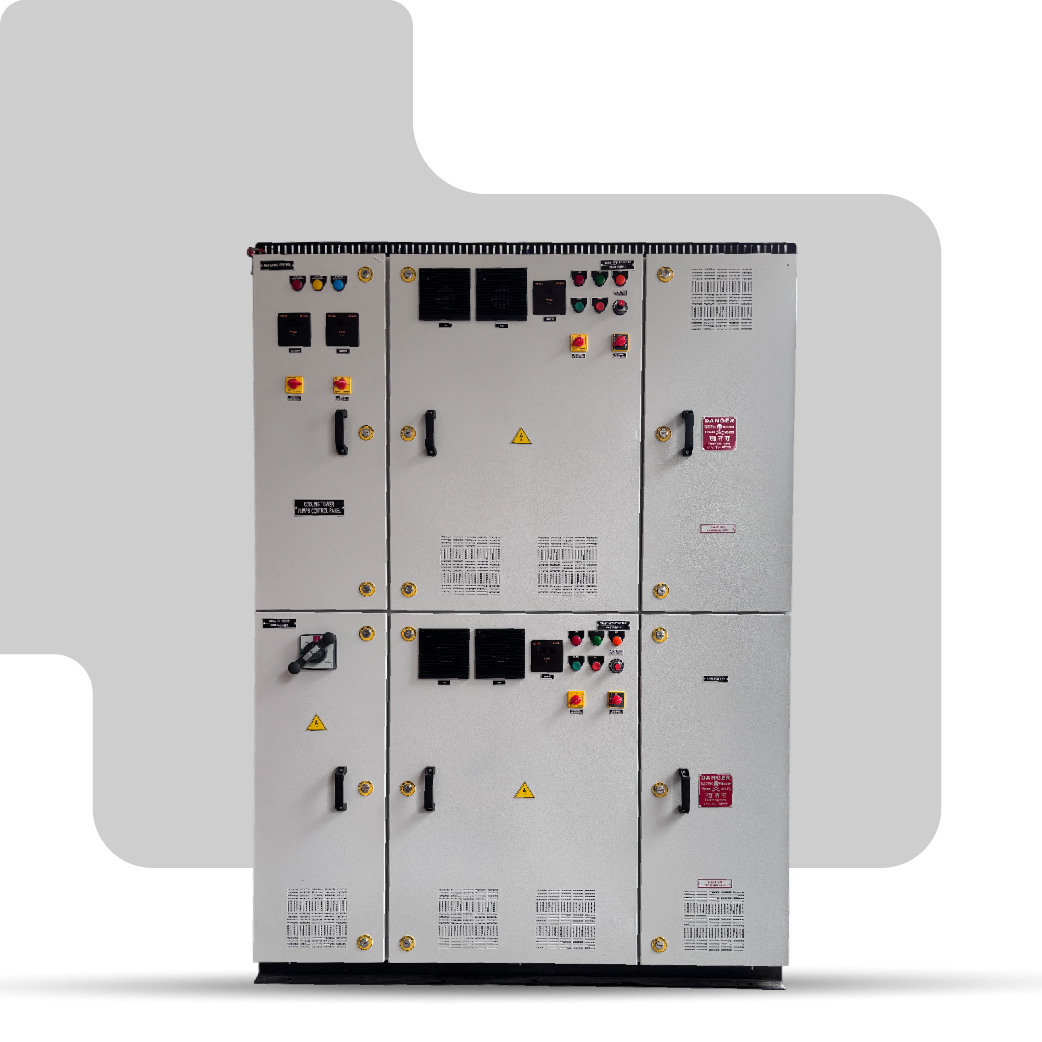
VFD Control Panel Benefits for Industrial Motor Applications
Explore the VFD control panel benefits for industrial motor applications in Ahmedabad, enhancing efficiency, precision, and longevity. Learn how these systems o
Why This Matters in Ahmedabad
Ahmedabad stands as a significant industrial hub in Gujarat, with diverse sectors including textiles, chemicals, pharmaceuticals, engineering, and manufacturing. These industries are characterized by extensive use of electric motors, making energy efficiency and precise process control paramount. As industrial growth continues, the demand for advanced motor control solutions like VFD panels becomes more critical. Implementing VFD technology helps local businesses meet production targets, manage rising energy costs, and adhere to operational excellence standards, contributing to the region's overall industrial competitiveness.
What is a VFD Control Panel — Overview
A VFD control panel integrates a Variable Frequency Drive (VFD) with necessary protective devices, control circuitry, and human-machine interface components into a single, enclosed unit. The VFD itself is an electronic device that controls the speed and torque of an AC electric motor by varying the motor's input frequency and voltage. This allows operators to precisely match motor speed to the specific demands of an application, rather than running motors at a constant, often excessive, full speed. The panel provides a safe and organized housing for the VFD, ensuring its protection from environmental factors and facilitating its operation within an industrial setting.
Key Features and Technical Specifications
- Precise Speed and Torque Control: Enables fine-tuning of motor output to match process requirements.
- Soft Start and Stop Capabilities: Reduces mechanical stress on motors and connected equipment, preventing sudden jolts.
- Energy Efficiency Optimization: Adjusts motor speed to load, significantly reducing power consumption, especially in variable-load applications.
- Overload and Short-Circuit Protection: Integrated safety features safeguard the motor and drive from electrical faults.
- Fault Diagnostics and Alarms: Provides real-time operational data and alerts for quick troubleshooting.
- Programmable Logic Control (PLC) Integration: Allows for complex automation sequences and system coordination.
- Communication Interfaces: Supports various industrial protocols for seamless integration into broader control systems.
- Harmonic Mitigation: Incorporates filters or other technologies to reduce electrical noise feedback into the power grid.
Industrial Applications and Use Cases
- Pumps and Fans: Optimizing flow rates and air volume in HVAC systems, water treatment plants, and industrial ventilation.
- Conveyor Systems: Controlling material transport speed in manufacturing, mining, and logistics operations.
- Compressors: Regulating air pressure and flow in pneumatic systems for energy savings.
- Textile Machinery: Achieving precise speed control for spinning, weaving, and dyeing processes.
- Plastic Processing Equipment: Managing extruder and injection molding machine speeds for consistent product quality.
- Mixers and Agitators: Varying mixing speeds for chemical processing, food and beverage production.
- HVAC Systems: Maintaining desired temperature and air quality by adjusting fan and pump speeds in large buildings.
How to Choose the Right VFD Control Panel
Selecting an appropriate VFD control panel requires careful consideration of several operational and technical factors. The right choice ensures optimal performance, energy efficiency, and system longevity for your industrial motors.
- Motor Compatibility and Rating: Verify the VFD's voltage, current, and power ratings align precisely with your existing or new motor specifications.
- Application Requirements: Assess the specific needs of your application, such as constant torque, variable torque, speed range, and dynamic response.
- Environmental Conditions: Consider the operating environment, including temperature, humidity, dust, and potential for corrosive elements, to select an appropriate enclosure rating (e.g., IP54, IP65).
- Control Features and Connectivity: Determine if advanced features like multi-motor control, PID control, or specific communication protocols (Modbus, Profibus) are necessary for your automation system.
- Safety and Protection Features: Ensure the panel includes essential protections such as overcurrent, overvoltage, undervoltage, ground fault, and thermal overload.
- Supplier Experience and Support: Evaluate the manufacturer's track record, technical expertise, and availability of after-sales service, including installation support and maintenance.
- Certifications and Standards: Confirm that the VFD panel complies with relevant national and international electrical safety and performance standards.
- Customization Options: Inquire about the ability to customize the panel layout, components, and programming to meet unique operational demands.
Quality Standards and Compliance
Adherence to stringent quality standards and compliance regulations is non-negotiable for VFD control panels. Buyers should verify that panels are designed and manufactured in accordance with relevant national and international standards such as IEC (International Electrotechnical Commission) for electrical equipment, and specific Indian Standards (IS) where applicable. Certifications like ISO 9001 for quality management systems indicate a manufacturer's commitment to consistent product quality. Furthermore, panels should meet safety standards for enclosure protection (IP ratings) and electromagnetic compatibility (EMC) to ensure reliable operation without interfering with other sensitive equipment. Verifying these standards ensures the panel's safety, performance, and longevity in demanding industrial environments.
Why Company Experience and Capability Matters
The reliable performance of VFD control panels is directly linked to the experience and technical capability of their manufacturer. Swiftkon Electromech Pvt. Ltd. brings a history rooted in electrical solutions, evolving from Swift Electricals in 2010 with panel retrofitting and repairs, to establishing its own manufacturing facility in 2015. This progression underscores a deep understanding of industrial electrical needs. Our team possesses the engineering expertise to design and build VFD control panels that not only meet but often exceed operational demands, ensuring precise motor control and energy efficiency. We focus on robust manufacturing processes, stringent quality control at every stage, and the ability to provide customized solutions that integrate seamlessly into diverse industrial applications. Our commitment extends to reliable delivery and comprehensive after-sales support, ensuring long-term operational success for our clients.
Installation, Maintenance and Care Tips
Proper installation and regular maintenance are critical for maximizing the lifespan and performance of VFD control panels. Ensure the panel is installed in a clean, well-ventilated area, away from direct sunlight, excessive heat, or corrosive substances. Adequate clearance around the panel is necessary for proper airflow and heat dissipation. Wiring should be performed by qualified technicians, adhering to all local electrical codes and manufacturer guidelines, ensuring correct grounding and shielding.
For maintenance, routinely inspect the panel for dust accumulation, loose connections, or signs of overheating. Clean filters regularly to maintain optimal cooling. Periodically check cooling fans for proper operation and replace them if they become noisy or inefficient. Monitor VFD parameters and fault logs to identify potential issues early. Ensure all protective devices are functioning correctly and recalibrate sensors as needed. Following these practices helps prevent unexpected downtime and extends the operational life of the VFD control panel and the motors it controls.
Frequently Asked Questions
The primary benefit of a VFD control panel is its ability to precisely control the speed and torque of industrial motors. This precision allows for significant energy savings by matching motor output to the exact load requirements, reducing wasted power. It also enhances process control, leading to improved product quality and operational efficiency across various applications.
VFDs contribute to energy savings by allowing motors to operate at variable speeds rather than constant full speed. In many applications, reducing motor speed by even a small percentage can lead to substantial energy reductions, often following a cubic relationship for variable torque loads like pumps and fans. This optimization prevents motors from consuming unnecessary power when full capacity is not required.
Yes, VFD control panels can significantly extend the lifespan of industrial motors. By providing soft start and stop capabilities, they eliminate the sudden mechanical and electrical stresses associated with direct-on-line starting. This reduction in stress minimizes wear and tear on motor components, bearings, and connected mechanical systems, leading to fewer breakdowns and longer operational life.
VFD control panels are widely utilized across a broad spectrum of industries that rely on electric motors. Common sectors include manufacturing, water and wastewater treatment, HVAC, oil and gas, food and beverage, textiles, and mining. Any industry requiring precise control over motor speed, flow, pressure, or material handling can benefit from VFD technology.
When sizing a VFD control panel, critical factors include the motor's horsepower or kilowatt rating, full load amperage, and voltage. The application type (constant torque or variable torque) also influences selection. Additionally, environmental conditions, required control features, and potential for harmonic distortion must be considered to ensure the VFD is appropriately matched and protected.
The frequency of VFD control panel maintenance depends on the operating environment and application intensity, but a general guideline suggests inspections every 3 to 6 months. This includes checking for dust, loose connections, and proper cooling fan operation. More comprehensive checks, such as capacitor health and insulation resistance, might be performed annually or bi-annually.
Conclusion
VFD control panels offer a compelling solution for industrial motor applications, delivering substantial benefits in energy efficiency, precise process control, and extended equipment longevity. For businesses in Ahmedabad and beyond, investing in these advanced control systems translates directly into reduced operational costs and enhanced productivity. Selecting a VFD control panel involves careful consideration of technical specifications, application demands, and the reliability of the manufacturing partner. By partnering with experienced providers who prioritize quality and compliance, industries can ensure their motor control solutions are robust, efficient, and tailored to their specific needs, supporting sustainable and profitable operations.
Get In Touch
Swiftkon Electromech Pvt. Ltd.