


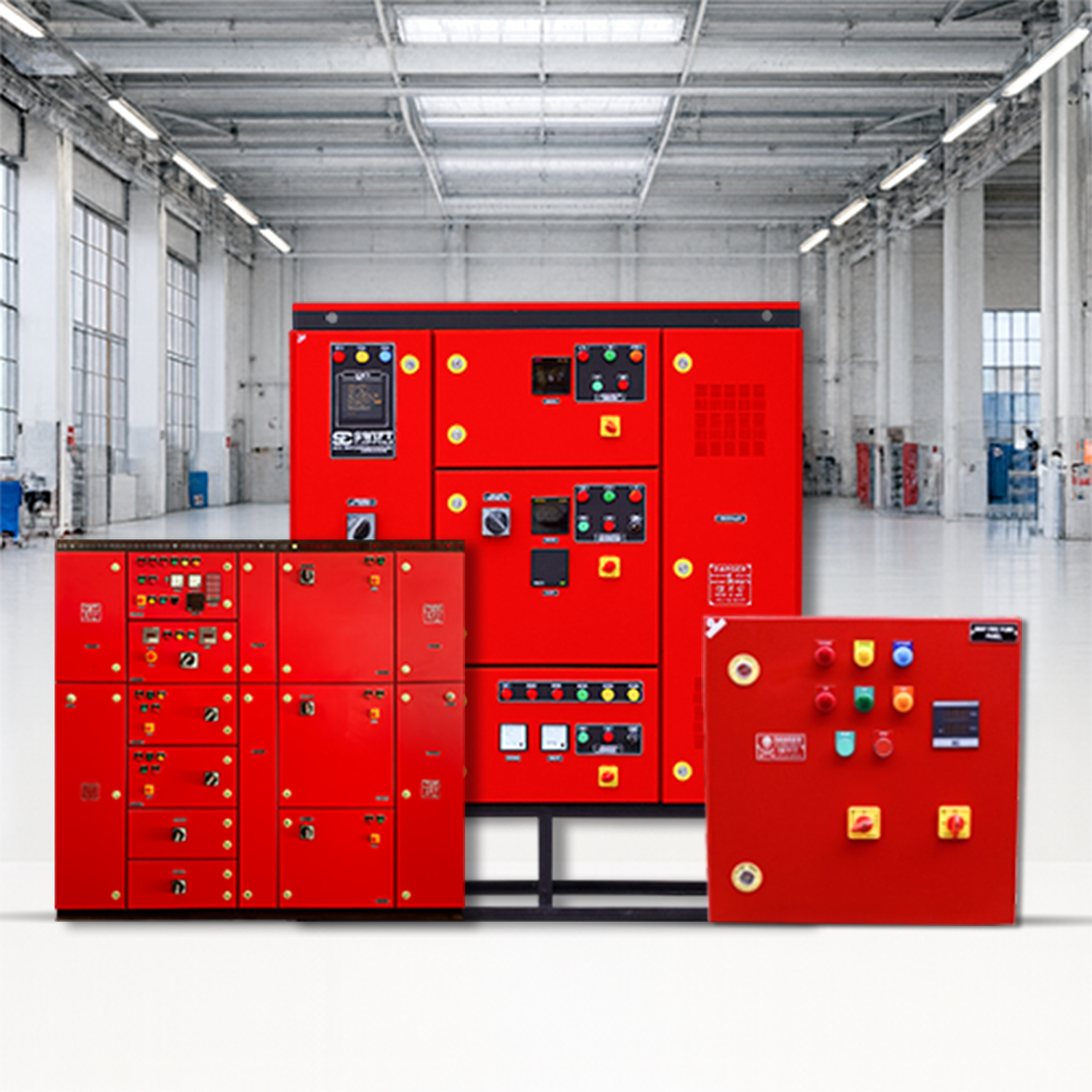
Top Safety Features Required in Industrial Control Panels
Understand the essential safety features required in industrial control panels to ensure operational reliability and personnel protection in Ahmedabad's diverse
Why This Matters in Ahmedabad
Ahmedabad, a significant industrial and manufacturing center in Gujarat, hosts a wide array of sectors, including textiles, pharmaceuticals, chemicals, engineering, and automotive. Each of these industries relies heavily on sophisticated machinery and automation, making the integrity and safety of industrial control panels paramount. As industries here continue to expand and modernize, the demand for control panels that meet stringent safety standards grows. Protecting workers, safeguarding valuable assets, and ensuring operational continuity are critical considerations for businesses operating within this competitive and evolving landscape.
What Are Industrial Control Panels — Overview
An industrial control panel is an assembly of electrical components, including circuit breakers, motor starters, relays, programmable logic controllers (PLCs), and human-machine interfaces (HMIs), housed within an enclosure. These panels are designed to control, monitor, and automate industrial machinery and processes. They receive input signals from sensors, process data, and send output commands to actuators, motors, and other equipment. Their primary function is to provide a centralized and organized system for managing electrical power and control signals throughout an industrial facility.
Key Safety Features and Technical Specifications
Robust safety features are engineered into industrial control panels to mitigate electrical hazards and ensure reliable operation. These features are critical for protecting both equipment and personnel.
- Emergency Stop (E-Stop) Buttons: Prominently located, these buttons provide an immediate means to shut down machinery or an entire process in an emergency, preventing injury or further damage.
- Overload Protection Devices: Thermal overload relays and circuit breakers protect motors and circuits from excessive current, preventing overheating and potential fire hazards.
- Short-Circuit Protection: Fuses and circuit breakers are designed to quickly interrupt current flow during a short circuit, minimizing damage to components and reducing arc flash risks.
- Arc Flash Protection: Features like arc-resistant enclosures, remote racking systems, and specific relay settings help contain or mitigate the effects of an arc flash event, which can be extremely dangerous.
- Proper Grounding and Bonding: A well-designed grounding system safely dissipates fault currents, preventing dangerous voltage buildup on equipment enclosures.
- Interlocking Mechanisms: Electrical or mechanical interlocks prevent unsafe operations, such as opening a panel door while power is live or starting a machine before safety guards are in place.
- Enclosure Ratings (IP/NEMA): Ingress Protection (IP) or NEMA ratings specify the level of protection against dust, water, and other environmental factors, crucial for maintaining internal component integrity and preventing electrical faults.
- Safety Relays and PLCs: Dedicated safety relays or safety-rated PLCs monitor safety circuits and ensure that machinery operates within predefined safe parameters, responding instantly to fault conditions.
Industrial Applications and Use Cases
The integration of advanced safety features in industrial control panels is vital across a broad spectrum of applications, ensuring operational integrity and personnel safety.
- Manufacturing Automation: Panels control assembly lines, robotic systems, and processing machinery, with safety features preventing accidental starts or access during operation.
- Power Distribution Systems: In substations and industrial facilities, panels manage power flow, incorporating protection against overcurrents and short circuits to maintain grid stability.
- Water Treatment Plants: Control panels regulate pumps, valves, and filtration systems, with safety interlocks preventing chemical spills or equipment damage during maintenance.
- HVAC and Building Management: Panels manage large-scale heating, ventilation, and air conditioning systems, ensuring safe operation and energy efficiency in commercial and industrial buildings.
- Material Handling and Conveyor Systems: Safety features like emergency stops and light curtains prevent accidents involving moving parts and protect operators.
- Fire Pump Control: Specialized fire pump panels incorporate robust safety and reliability features to ensure the pump activates immediately and effectively during a fire emergency.
- Chemical Processing: Panels in hazardous environments require explosion-proof enclosures and intrinsically safe components to prevent ignition of flammable gases or dust.
How to Choose the Right Industrial Control Panel
Selecting an industrial control panel with appropriate safety features requires careful consideration of several factors to ensure it meets specific operational and regulatory demands.
- Assess Specific Hazard Risks: Identify potential electrical, mechanical, and environmental hazards unique to your application and facility.
- Verify Compliance with Standards: Ensure the panel design and components adhere to relevant national and international safety standards, such as IEC, BIS, or specific industry codes.
- Evaluate Enclosure Protection (IP/NEMA): Choose an enclosure with an appropriate rating to protect internal components from dust, moisture, and corrosive elements, which can compromise safety.
- Confirm Integrated Safety Functions: Look for panels that incorporate essential safety features like emergency stops, overload protection, short-circuit protection, and proper grounding.
- Consider Arc Flash Mitigation: For high-energy applications, inquire about arc-resistant designs, remote operation capabilities, and other arc flash reduction techniques.
- Review Supplier's Safety Record and Certifications: Partner with manufacturers who demonstrate a strong commitment to safety through their design processes, quality control, and product certifications.
- Discuss Customization for Unique Needs: If your application involves unique hazards or operational requirements, ensure the supplier can customize safety features accordingly.
- Inquire About Documentation and Training: Comprehensive documentation and available training for safe operation and maintenance are crucial for long-term safety.
Quality Standards and Compliance
Adherence to established quality standards and compliance regulations is non-negotiable for industrial control panels. In India, standards like those from the Bureau of Indian Standards (BIS) are vital, alongside international benchmarks such as the International Electrotechnical Commission (IEC) standards. These standards cover aspects ranging from component selection and wiring practices to enclosure design and testing protocols. Buyers should always verify that a potential supplier's panels are designed, manufactured, and tested in accordance with these relevant standards, including specific IP or NEMA ratings for environmental protection. This verification ensures the panels not only perform reliably but also provide the expected level of safety for personnel and equipment.
Why Company Experience and Capability Matters
The design and manufacturing of industrial control panels with robust safety features demand significant experience and technical capability. A manufacturer's deep understanding of electrical engineering principles, regulatory compliance, and real-world industrial challenges directly translates into safer, more reliable products. Swiftkon Electromech Pvt. Ltd. specializes in advanced electrical control panels, including DOL starters, Star-Delta panels, Fire Pump panels, AMF panels, MCC & PCC panels, and custom solutions. Our commitment to meeting national and international standards, backed by a skilled team and modern facilities, ensures strict quality control at every stage. This expertise allows for the precise integration of critical safety features, from emergency stop circuits to advanced protection relays, ensuring each panel is engineered for superior performance and long-term operational safety.
Installation, Maintenance, and Care Tips
Proper installation, regular maintenance, and diligent care are essential to ensure the long-term safety and reliability of industrial control panels. These practices help preserve the integrity of safety features and prevent potential hazards.
- Qualified Installation: Always use certified and experienced electricians for installation. Ensure proper grounding, secure wiring, and correct component connections according to manufacturer specifications and local electrical codes.
- Environmental Control: Maintain the panel's operating environment within specified temperature and humidity ranges. Ensure proper ventilation to prevent overheating, which can degrade components and compromise safety.
- Regular Inspections: Conduct routine visual inspections for signs of wear, loose connections, dust accumulation, or corrosion. Check that all safety devices, such as emergency stop buttons and interlocks, are functioning correctly.
- Thermal Imaging: Periodically use thermal imaging cameras to detect hot spots within the panel, indicating potential loose connections or overloaded circuits before they lead to failure or fire.
- Cleanliness: Keep the interior of the panel clean and free of dust and debris, which can accumulate on electrical components and lead to tracking or short circuits. Ensure the enclosure seals remain intact.
- Component Testing: Test circuit breakers, relays, and other protective devices at recommended intervals to confirm they will trip correctly under fault conditions.
- Documentation and Labeling: Maintain up-to-date wiring diagrams and clear labeling for all components and circuits. This is crucial for safe troubleshooting and maintenance.
Frequently Asked Questions
Safety features are crucial because industrial control panels operate with high voltages and currents, posing significant risks of electrical shock, arc flash, and fire. These features protect personnel from injury, prevent costly equipment damage, and ensure continuous, reliable operation, which is vital for productivity and regulatory compliance in any industrial setting.
An emergency stop button provides an immediate and accessible means to shut down machinery or an entire process in a critical situation. Its primary role is to prevent injury to personnel, mitigate equipment damage, or stop an escalating hazardous condition by quickly cutting off power or halting motion, overriding all other controls.
Enclosure ratings, such as IP (Ingress Protection) or NEMA, specify the level of protection a panel provides against environmental factors like dust, water, and solid objects. A correctly rated enclosure prevents these elements from entering and causing short circuits, corrosion, or component damage, thereby maintaining the electrical integrity and safety of the internal components.
Arc flash protection refers to measures taken to mitigate the hazards of an arc flash, which is a dangerous electrical explosion. It is important because an arc flash can cause severe burns, hearing damage, and even death. Protection involves features like arc-resistant enclosures, remote operation, and specific relay settings to reduce the energy and impact of such an event.
The frequency of safety inspections for industrial control panels depends on the operating environment, intensity of use, and specific industry regulations. Generally, visual inspections should be conducted monthly or quarterly, while more thorough electrical and component testing should occur annually or biannually. Adhering to manufacturer recommendations is also important.
Yes, many safety features can be retrofitted into existing industrial control panels, though the feasibility and cost depend on the panel's age, design, and current condition. Common retrofits include adding emergency stop buttons, upgrading circuit breakers, installing arc flash mitigation devices, or enhancing grounding systems to meet current safety standards.
Conclusion
Ensuring the presence of robust safety features in industrial control panels is not merely a compliance exercise; it is a fundamental investment in operational integrity and human well-being. From emergency stops and comprehensive overload protection to advanced arc flash mitigation and appropriate enclosure ratings, each safety element plays a critical role in preventing accidents and maintaining reliable performance. Partnering with an experienced manufacturer like Swiftkon Electromech Pvt. Ltd., which prioritizes adherence to national and international standards, guarantees that your industrial control panels are engineered for both efficiency and the highest levels of safety. Making informed decisions about these critical components safeguards your workforce, protects your assets, and supports uninterrupted productivity.
Get In Touch
Swiftkon Electromech Pvt. Ltd.