


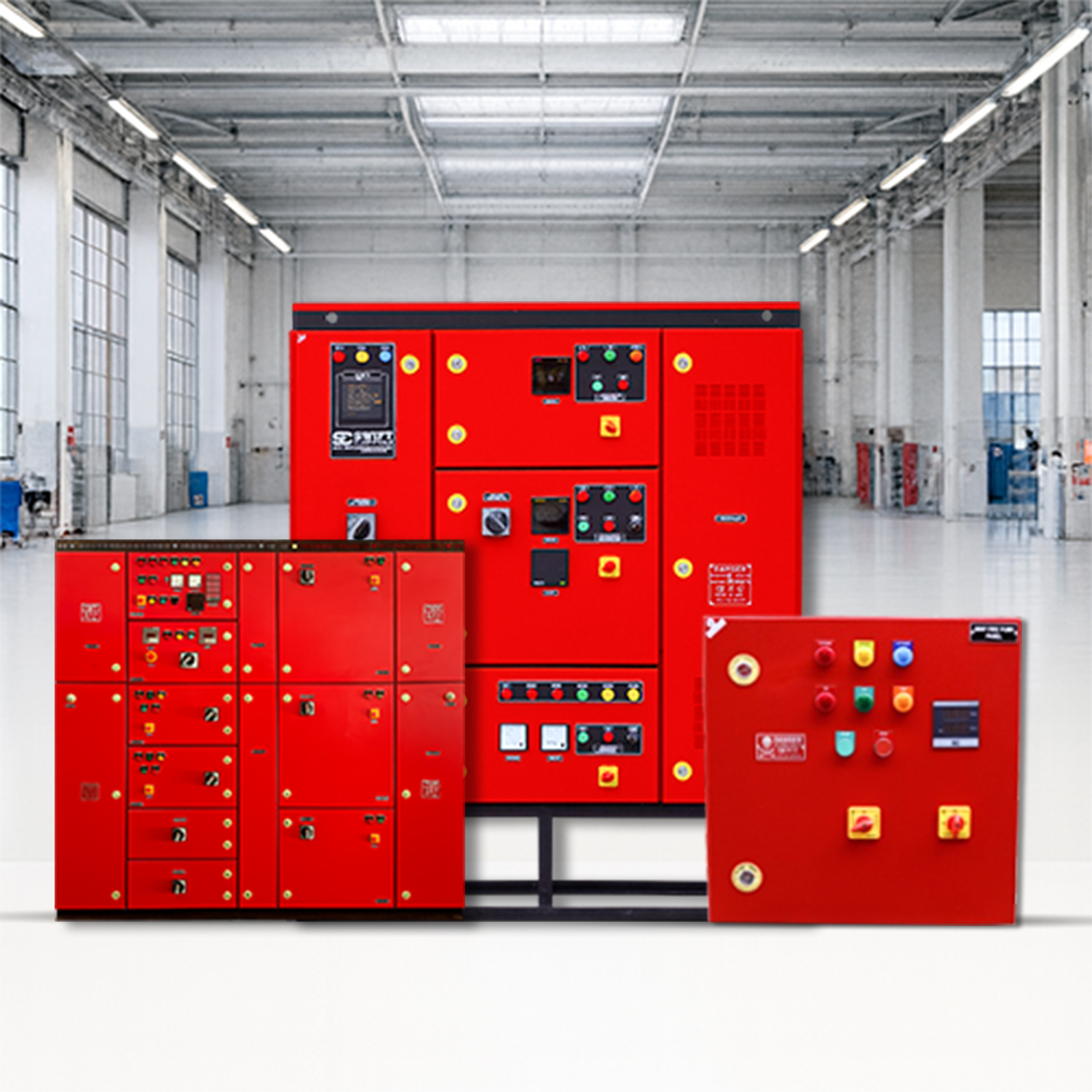
PLC Based Control Panel: Working, Uses and Benefits
Explore PLC Based Control Panels, their functions, industrial applications, and benefits for automation in Ahmedabad, Gujarat. Understand how to choose reliable
Why This Matters in Ahmedabad, Gujarat
Ahmedabad, a major industrial hub in Gujarat, hosts a wide array of manufacturing sectors, including textiles, pharmaceuticals, chemicals, engineering, and automotive components. These industries are continuously seeking advanced automation to optimize production, reduce operational costs, and maintain a competitive edge. The demand for reliable and efficient control systems is paramount for managing complex machinery, ensuring safety, and achieving consistent product quality. PLC-based solutions directly address these needs, supporting the region's industrial growth and technological advancement.
What is a PLC Based Control Panel — Overview
A PLC (Programmable Logic Controller) Based Control Panel is an integrated system designed to automate specific industrial processes or machine functions. At its core, a PLC is a ruggedized industrial computer that monitors input devices, makes decisions based on programmed logic, and controls output devices. The control panel itself houses the PLC along with other essential components such as motor starters, circuit breakers, relays, human-machine interfaces (HMIs), and wiring, all organized to provide a centralized and protected control environment for industrial equipment.
Key Features and Technical Specifications
- Programmable Logic: Allows for flexible control sequences and easy modification of operational parameters without extensive rewiring.
- Modular Design: Supports expansion and customization with various input/output (I/O) modules to suit specific application requirements.
- High Reliability: Engineered for harsh industrial environments, offering resistance to vibrations, temperature fluctuations, and electrical noise.
- Diagnostic Capabilities: Provides real-time fault detection and status monitoring, aiding in quicker troubleshooting and reduced downtime.
- Communication Protocols: Integrates seamlessly with other industrial devices and networks using protocols like Modbus, Ethernet/IP, or Profibus.
- Scalability: Can be scaled from small, simple applications to large, complex automation systems by adding more I/O and processing power.
- Safety Interlocks: Incorporates safety circuits and programming logic to protect personnel and equipment during operation.
Industrial Applications and Use Cases
PLC Based Control Panels are integral to automation across numerous industries, driving efficiency and precision.
- Manufacturing Automation: Controlling assembly lines, robotic cells, and packaging machinery in automotive, food processing, and consumer goods plants.
- Water and Wastewater Treatment: Managing pump stations, filtration systems, chemical dosing, and overall plant operations.
- Material Handling Systems: Automating conveyors, sorting systems, stacker cranes, and automated storage and retrieval systems (AS/RS).
- Energy Management: Optimizing power distribution, load shedding, and generator control in industrial facilities and power plants.
- Process Control: Regulating temperature, pressure, flow rates, and levels in chemical processing, pharmaceutical production, and oil & gas operations.
- Building Management Systems (BMS): Controlling HVAC, lighting, and security systems in large commercial and industrial buildings.
- Plastic and Rubber Machinery: Providing precise control for injection molding machines, extruders, and blow molding equipment.
How to Choose the Right PLC Based Control Panel
Selecting an appropriate PLC Based Control Panel involves careful consideration of several factors to ensure it meets specific operational demands and long-term objectives.
- Application Requirements: Define the exact processes to be automated, including the number of inputs/outputs, control logic complexity, and required processing speed.
- Environmental Conditions: Assess the operating environment for factors like temperature, humidity, dust, and vibration to ensure the panel's enclosure and components are suitably rated (e.g., IP rating).
- Scalability and Future Expansion: Consider potential future growth or modifications to the system and choose a PLC platform that allows for easy expansion of I/O or integration with new equipment.
- Software and Programming Ease: Evaluate the PLC programming software for user-friendliness, available libraries, and compatibility with existing engineering tools.
- Industry Standards and Certifications: Verify that the panel and its components comply with relevant national and international safety and performance standards.
- Supplier Expertise and Support: Choose a supplier with a proven track record in designing, manufacturing, and supporting PLC-based systems, offering comprehensive after-sales service and technical assistance.
- Integration Capabilities: Ensure the panel can seamlessly integrate with existing SCADA systems, HMIs, and other control devices within the facility.
Quality Standards and Compliance
Adherence to stringent quality standards and compliance regulations is non-negotiable for industrial control panels. Buyers should verify that PLC Based Control Panels meet relevant national and international standards such as IEC (International Electrotechnical Commission) for electrical equipment, IS (Indian Standards) for local requirements, and specific industry certifications. This includes standards for electrical safety, electromagnetic compatibility (EMC), and environmental protection. Checking for certifications like ISO 9001 for quality management systems within the manufacturing facility also provides assurance of consistent product quality and reliable processes.
Why Company Experience and Capability Matters
The complexity of PLC Based Control Panels necessitates a manufacturer with deep engineering expertise and a proven trackability record. A company like Swiftkon Electromech Pvt. Ltd. brings years of experience in designing and manufacturing advanced electrical control panels. Our journey, starting with panel retrofitting in 2010 and evolving into full-scale manufacturing by 2015, demonstrates a continuous commitment to innovation. We focus on tailor-made solutions, leveraging a skilled team and modern facilities to ensure every panel is engineered for superior performance and long life. Our capability extends to integrating various PLCs and components, ensuring each custom-built solution meets specific operational demands and national and international standards. This comprehensive approach, from design to quality control, ensures reliability and customer satisfaction for our clients across Ahmedabad and beyond.
Installation, Maintenance and Care Tips
Proper installation and regular maintenance are critical for the long-term performance and safety of PLC Based Control Panels.
- Professional Installation: Always ensure installation is performed by qualified technicians following electrical codes and manufacturer guidelines. Correct wiring, grounding, and power supply connections are paramount.
- Environmental Control: Maintain the panel's operating environment within specified temperature and humidity ranges. Ensure adequate ventilation to prevent overheating of components.
- Regular Inspections: Conduct periodic visual inspections for loose connections, dust accumulation, signs of corrosion, or damaged wiring. Check terminal tightness and component integrity.
- Software Backups: Regularly back up the PLC program and configuration files. This is crucial for quick recovery in case of system failure or component replacement.
- Firmware Updates: Keep PLC firmware and programming software updated as recommended by the manufacturer to benefit from performance enhancements and security patches.
- Component Replacement: Replace aging or faulty components proactively based on manufacturer recommendations or observed wear, rather than waiting for a complete failure.
- Cleanliness: Keep the interior of the panel clean and free of dust and debris, which can impede cooling and lead to electrical issues.
Frequently Asked Questions
A PLC, or Programmable Logic Controller, is an industrial digital computer that has been ruggedized and adapted for the control of manufacturing processes, such as assembly lines or robotic devices, or any activity that requires high reliability, ease of programming, and process fault diagnosis. Within a control panel, the PLC receives signals from input devices like sensors and switches, processes this information based on its programmed logic, and then sends commands to output devices such as motors, valves, and lights to automate a specific operation.
PLC-based panels offer significant advantages including enhanced flexibility due to their programmable nature, allowing for easy modification of control sequences without rewiring. They provide superior reliability and durability in harsh industrial environments, reducing downtime. Furthermore, PLCs offer advanced diagnostic capabilities, enabling quick identification and resolution of operational issues. Their ability to communicate with other systems also facilitates seamless integration into larger automation architectures, improving overall operational efficiency and data collection.
PLC panels significantly enhance operational safety through integrated safety logic and robust design. They can be programmed to implement critical safety interlocks, ensuring that machinery operates only under safe conditions and preventing hazardous sequences. In the event of a fault or emergency, the PLC can be programmed to initiate immediate shutdown procedures, protecting both personnel and equipment. Their reliable performance and consistent control minimize human error, contributing to a safer working environment in industrial settings.
Yes, PLC panels are highly customizable to meet the unique requirements of various industrial applications. Manufacturers can select specific PLC models, I/O modules, and HMI interfaces based on the complexity and scale of the process. The panel's physical layout, enclosure type, and component selection can also be tailored to suit environmental conditions and space constraints. This flexibility ensures that the control panel precisely matches the operational demands, optimizing performance and integration within a specific industrial setup.
PLC control panels require routine maintenance to ensure continuous, reliable operation. This typically includes periodic visual inspections for dust, loose connections, or signs of overheating. It is important to check the integrity of wiring and terminal blocks. Regular backups of the PLC program are essential for disaster recovery. Additionally, ensuring proper ventilation to maintain optimal operating temperatures and occasionally updating firmware can prevent potential issues and extend the lifespan of the panel components.
PLC panels are designed for seamless integration with existing factory systems through various communication protocols. They can connect to SCADA (Supervisory Control and Data Acquisition) systems for centralized monitoring and control, HMIs (Human-Machine Interfaces) for operator interaction, and other PLCs or intelligent devices via industrial networks like Ethernet/IP, Modbus, or Profibus. This connectivity allows for real-time data exchange, system-wide coordination, and comprehensive operational visibility, enhancing overall factory automation and data-driven decision-making.
Conclusion
PLC Based Control Panels are indispensable tools for modern industrial automation, offering unparalleled precision, flexibility, and reliability. For businesses in Ahmedabad, Gujarat, investing in well-designed and robust PLC panels is a strategic move towards optimizing production processes, ensuring operational safety, and achieving sustainable growth. The selection of a capable and experienced manufacturer, one committed to quality standards and comprehensive support, is crucial for realizing the full benefits of these advanced control systems.
Get In Touch
Swiftkon Electromech Pvt. Ltd.