


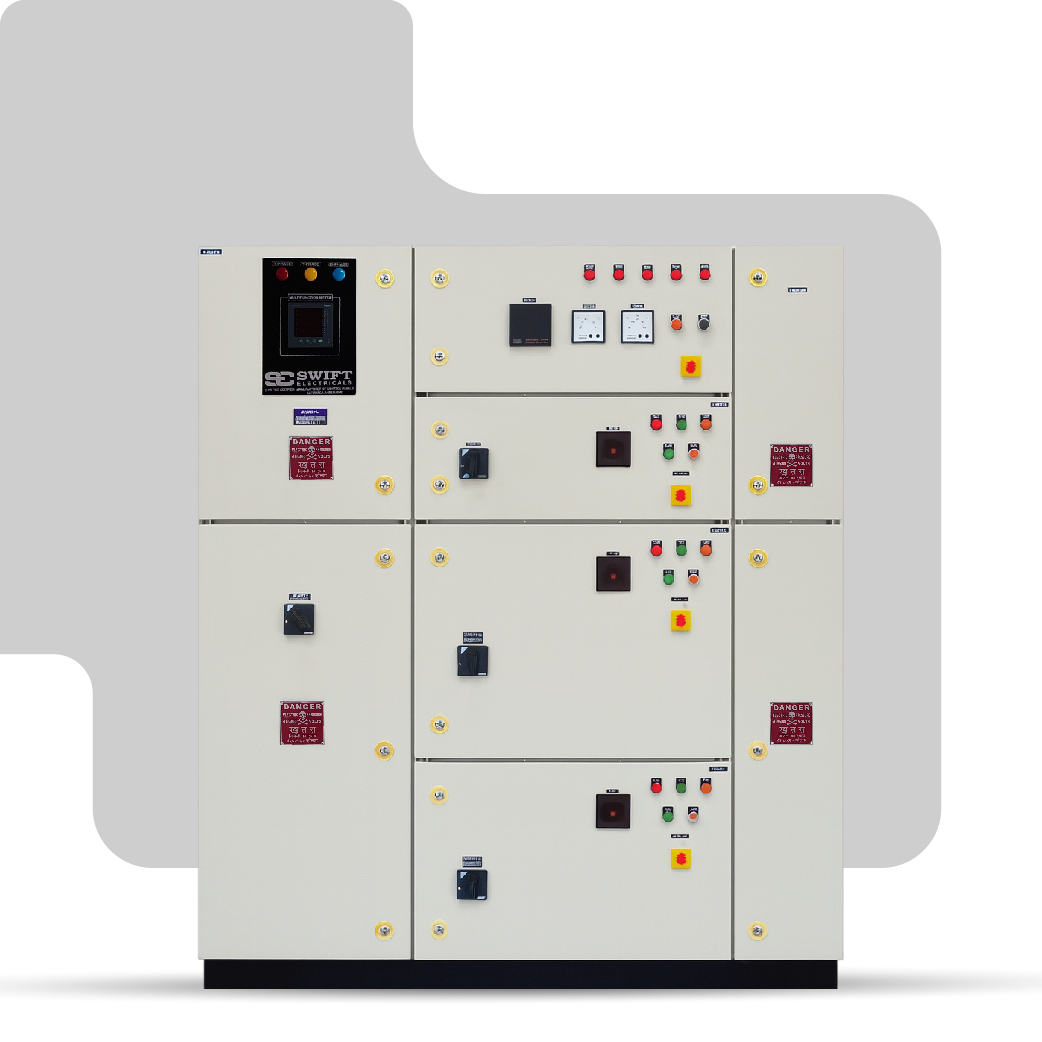
PCC Panel vs Main LT Panel: Key Differences Explained
Understand the core differences between PCC and Main LT Panels for industrial power distribution in Ahmedabad. Learn how to choose the right solution for your f
Why This Matters in Ahmedabad
Ahmedabad, a dynamic industrial hub in Gujarat, hosts a diverse range of manufacturing, textile, chemical, and infrastructure projects. Each sector has unique power distribution demands, from heavy machinery operation to intricate process control. Understanding the specific roles of PCC and Main LT panels allows local industries to optimize their electrical systems, prevent downtime, and comply with stringent safety regulations, directly impacting operational efficiency and cost-effectiveness.
What is PCC Panel vs Main LT Panel – Overview
A Main LT Panel, or Main Low Tension Panel, serves as the primary distribution point for incoming power from a transformer or generator. It receives high-capacity power and then distributes it to various sub-panels, including PCC panels, throughout a facility. Its main role is to provide overall system protection and a central point for power isolation. In contrast, a Power Control Center (PCC) Panel is designed to control and distribute power to specific motor loads and other heavy machinery within an industrial plant. It acts as a centralized control hub for motors, ensuring their protection, starting, and stopping sequences.
Key Features and Technical Specifications
Understanding the distinct features of PCC and Main LT panels is essential for proper system design and operation. These differences dictate their placement and function within an electrical network.
- Primary Function: Main LT panels manage the bulk incoming power distribution to the entire facility, acting as the main circuit breaker. PCC panels, however, are specifically designed for controlling and protecting individual motor loads and industrial processes.
- Input Source: A Main LT panel typically receives power directly from a step-down transformer or a primary generator. PCC panels receive their power supply from the Main LT panel or another distribution board.
- Output Distribution: Main LT panels distribute power to various sub-distribution boards, including MCC (Motor Control Center) and PCC panels. PCC panels distribute power to specific motor feeders, pumps, compressors, and other heavy industrial equipment.
- Protection Schemes: Main LT panels incorporate robust protection for the entire system, such as main incomer circuit breakers, busbar protection, and overall overload/short-circuit protection. PCC panels feature individual protection for each motor feeder, including thermal overload relays, short-circuit breakers, and earth fault protection.
- Control Elements: Main LT panels primarily house metering, main circuit breakers, and power factor correction equipment. PCC panels integrate motor starters (DOL, Star-Delta, VFDs), control relays, push buttons, and indicators for specific machinery operation.
- Busbar Configuration: Main LT panels typically have a high-capacity busbar system designed to handle the total incoming load of the facility. PCC panels have busbars configured for distributing power to multiple outgoing motor feeders, often with segregated compartments.
Industrial Applications and Use Cases
Both PCC and Main LT panels are indispensable in industrial settings, but their specific applications highlight their unique roles.
Main LT Panel Applications:
Primary power distribution in large manufacturing plants.
Centralized power intake for commercial complexes and high-rise buildings.
Receiving power from utility grids or large generator sets in data centers.
Main power distribution in water treatment plants and pumping stations.
Overall power management in infrastructure projects like airports and railway stations.
PCC Panel Applications:
Controlling and protecting motors in textile mills and processing units.
Managing power for machinery in plastic manufacturing and injection molding units.
Centralized control for pumps and blowers in chemical processing plants.
Operating conveyors, crushers, and other heavy equipment in cement factories.
Powering and protecting HVAC systems and chillers in large industrial facilities.
How to Choose the Right Panel (PCC or Main LT)
Selecting the appropriate electrical panel is a critical decision that impacts the safety, efficiency, and longevity of your industrial operations. Consider these factors when making your choice:
- System Role: Determine if the panel is for primary power reception and overall distribution (Main LT) or for controlling and protecting specific motor loads (PCC).
- Capacity Requirements: Assess the total incoming power capacity needed for the facility (Main LT) versus the aggregate power demand of the specific motors and loads it will control (PCC).
- Protection Needs: Identify the level of protection required—overall system protection for the main supply (Main LT) or individual motor overload and short-circuit protection (PCC).
- Control Functionality: Evaluate if the panel needs to house main breakers and metering (Main LT) or motor starters, VFDs, and intricate control logic for machinery (PCC).
- Environmental Conditions: Consider the operating environment, including temperature, humidity, and dust levels, to ensure the panel enclosure and components are suitably rated (IP protection).
- Future Expansion: Plan for potential future load additions or modifications. A well-designed panel should offer flexibility for expansion without major overhauls.
- Supplier Expertise: Partner with a manufacturer that demonstrates deep technical knowledge and experience in designing and building both types of panels to meet specific industrial requirements.
Quality Standards and Compliance
Adherence to quality standards and compliance regulations is non-negotiable for electrical panels, particularly in industrial environments. Buyers should verify that panels meet relevant Indian and international standards such as IS/IEC 61439 for low-voltage switchgear and control gear assemblies. Certifications like ISO 9001 for quality management systems indicate a manufacturer's commitment to consistent product quality. Furthermore, ensuring compliance with local electrical codes and safety norms, such as those specified by the Central Electricity Authority (CEA) in India, is paramount for operational safety and regulatory approval.
Why Company Experience and Capability Matters
The reliability of your electrical infrastructure directly impacts your operational continuity and safety. Partnering with an experienced manufacturer like Swiftkon Electromech Pvt. Ltd. provides significant advantages. Our journey, starting with panel retrofitting in 2010 and evolving into full-scale manufacturing by 2015, reflects a deep understanding of industrial electrical needs. We focus on robust manufacturing processes, utilizing modern facilities and a skilled team to engineer panels for superior performance. Our technical capability extends to designing custom-built solutions for diverse industries, ensuring that each PCC or Main LT panel is precisely tailored to specific operational demands and national and international standards. This commitment to quality control and delivery reliability ensures long-term customer satisfaction and dependable power distribution.
Installation, Maintenance and Care Tips
Proper installation and ongoing maintenance are crucial for the safe and efficient operation of PCC and Main LT panels. Adhering to these practices extends panel lifespan and minimizes downtime.
- Professional Installation: Always engage certified electrical engineers and technicians for installation. Ensure proper grounding, cable termination, and adherence to wiring diagrams.
- Environmental Control: Install panels in a clean, dry, well-ventilated area, away from direct sunlight, excessive heat, or corrosive environments. Maintain ambient temperatures within specified limits.
Regular Inspections:
Periodically check for loose connections, signs of overheating, or discolored wiring.
Inspect busbars and insulators for dust accumulation or damage.
Verify the functionality of protective devices like circuit breakers and relays.
- Cleaning: De-energize the panel before cleaning. Use dry, non-conductive cleaning agents to remove dust and debris from components and enclosures.
- Thermal Scanning: Conduct infrared thermal scanning periodically to identify hot spots, which can indicate loose connections or overloaded circuits, allowing for proactive maintenance.
- Documentation: Keep detailed records of all maintenance activities, modifications, and test results. This aids in troubleshooting and ensures compliance.
Frequently Asked Questions
A Main LT Panel serves as the central receiving and distribution point for the main incoming power supply from a transformer or generator. It houses the main circuit breaker and metering equipment, distributing high-capacity power to various sub-panels and sections of an industrial facility, ensuring overall system protection and isolation.
A PCC Panel protects industrial motors by integrating individual protective devices for each motor feeder. These typically include thermal overload relays to prevent damage from sustained overcurrents, short-circuit breakers for immediate fault clearance, and sometimes earth fault protection. This ensures the safe and reliable operation of specific machinery.
While some smaller installations might combine functions, it is generally not recommended for industrial applications. Main LT panels handle bulk power distribution, while PCC panels focus on motor control. Separating them ensures better fault isolation, easier maintenance, and optimized design for their specific roles, enhancing overall system reliability and safety.
Key considerations for panel enclosure selection include the operating environment (indoor/outdoor, dust, moisture), required IP (Ingress Protection) rating, material (mild steel, stainless steel), and cooling requirements. The enclosure must protect internal components from environmental factors and ensure personnel safety, aligning with relevant industry standards.
Electrical panels, including both PCC and Main LT types, should undergo routine visual inspections monthly or quarterly, depending on the operating environment. More comprehensive preventive maintenance, including thermal scanning and functional checks of protective devices, should be performed annually or bi-annually by qualified technicians to ensure optimal performance and safety.
Busbar design is critical for both panels. In Main LT panels, busbars are designed for high current capacity to distribute bulk power efficiently and safely across the entire system. In PCC panels, busbars are configured to distribute power to multiple motor feeders, often with segregated sections, ensuring reliable power delivery to individual loads while maintaining safety.
Conclusion
Distinguishing between PCC and Main LT panels is fundamental for designing and maintaining a robust industrial electrical system. The Main LT panel acts as the facility's primary power gateway, managing overall distribution and protection, while the PCC panel meticulously controls and safeguards individual motor loads. For industries in Ahmedabad, understanding these differences ensures that power infrastructure is not only compliant with standards but also optimized for efficiency, safety, and operational continuity. Selecting a partner with proven experience in designing and manufacturing both types of panels, tailored to specific industrial demands, is a strategic decision that underpins long-term reliability.
Get In Touch
Swiftkon Electromech Pvt. Ltd.