


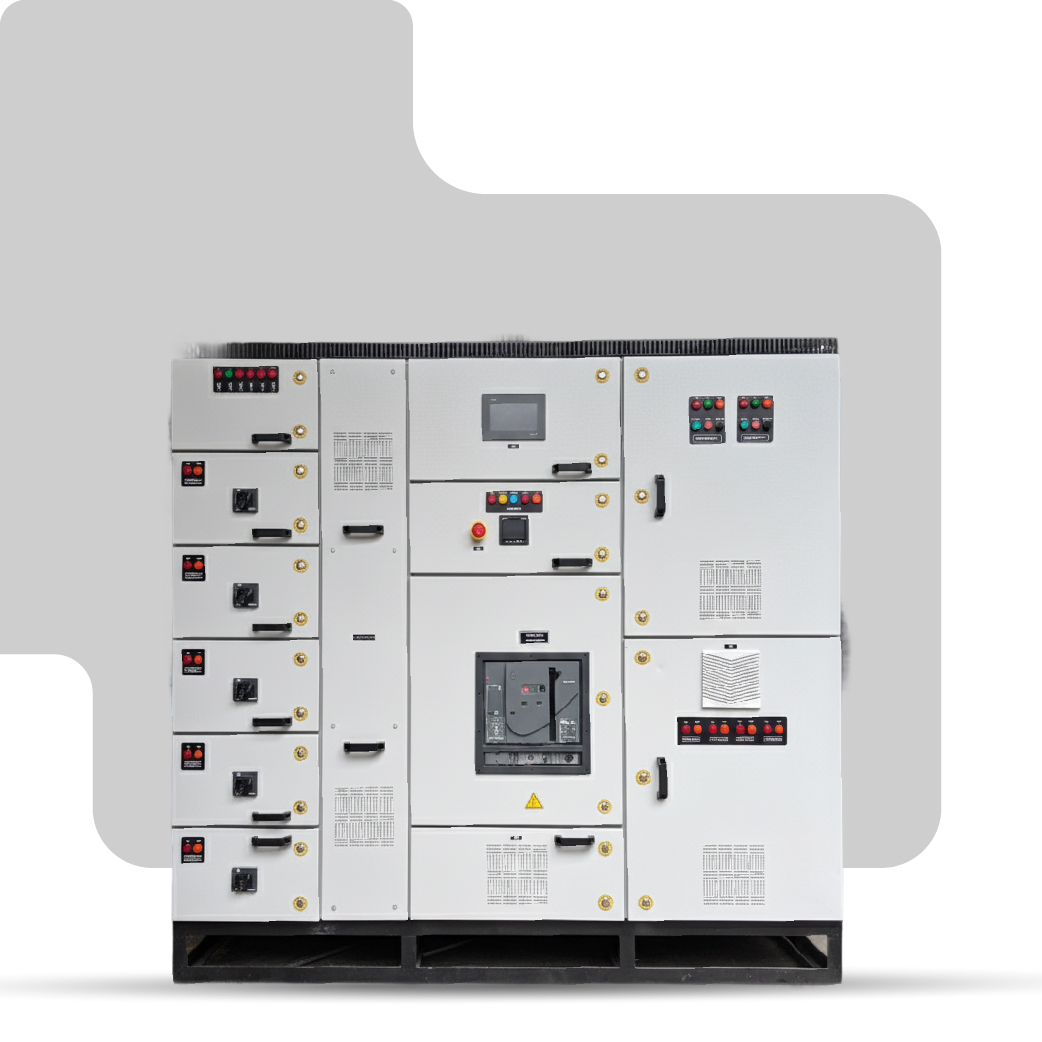
HVAC Chiller Panel: Working, Features, Applications and Benefits
Expert guide to HVAC chiller panels in Ahmedabad. Understand working principles, key features, industrial applications, and benefits for efficient cooling syste
What is an HVAC Chiller Panel? — Overview
An HVAC chiller panel, also known as a chiller control panel, is an electrical enclosure that houses the controls, safety devices, and power distribution components for an industrial chiller system. It acts as the central command center, monitoring and regulating the chiller's operation to maintain a desired temperature. The panel manages critical functions such as compressor sequencing, pump control, safety interlocks, and communication with building management systems (BMS). Its primary role is to ensure the chiller operates efficiently, safely, and reliably to provide chilled water for air conditioning or process cooling.
Key Features and Technical Specifications
A well-designed HVAC chiller panel incorporates several essential features to ensure optimal performance and longevity:
- Microprocessor-based Controller: For precise temperature management, system diagnostics, and programmable setpoints.
- Compressor Sequencing Logic: Optimizes energy usage by staging compressors based on cooling load.
- Integrated Safety Interlocks: Protects against over-pressure, under-pressure, high/low voltage, phase loss, and motor overload.
- Variable Frequency Drives (VFDs): For precise control of compressor speed and pump flow, enhancing energy efficiency.
- Digital Display and HMI: Provides real-time operational data, alarms, and system status for easy monitoring.
- Remote Monitoring Capabilities: Allows for off-site diagnostics and control via BMS or SCADA systems.
- Robust Enclosure: Designed to protect components from dust, moisture, and environmental factors, often with IP ratings.
- High-Quality Electrical Components: Utilizes reliable contactors, relays, circuit breakers, and wiring for durability.
Industrial Applications and Use Cases
HVAC chiller panels are integral to a wide array of industrial and commercial applications requiring precise temperature control:
- Commercial Buildings and Offices: Maintaining comfortable ambient temperatures for occupants.
- Data Centers: Ensuring critical IT equipment operates within safe temperature ranges to prevent overheating.
- Pharmaceutical Manufacturing: Controlling process temperatures for sensitive drug production and storage.
- Food and Beverage Processing: Maintaining low temperatures for refrigeration, freezing, and product preservation.
- Chemical Plants: Regulating temperatures in reactors and process lines.
- Textile Industry: Controlling humidity and temperature for yarn and fabric production.
- Hospitals and Healthcare Facilities: Providing reliable cooling for patient comfort and critical medical equipment.
- Plastic Injection Molding: Cooling molds to ensure efficient and consistent product formation.
How to Choose the Right HVAC Chiller Panel
Selecting the appropriate HVAC chiller panel involves careful consideration of your specific cooling needs and operational environment. Here’s a checklist to guide your decision:
- Cooling Load Capacity: Ensure the panel is rated to handle the total cooling demand of your system.
- Chiller Type Compatibility: Verify compatibility with your specific chiller technology (e.g., scroll, screw, centrifugal).
- Control System Requirements: Determine if advanced features like VFD integration, BMS connectivity, or specific sequencing logic are needed.
- Environmental Conditions: Consider the operating environment (temperature, humidity, dust) for appropriate enclosure rating (IP rating).
- Safety Standards and Certifications: Ensure the panel complies with relevant national and international electrical and safety standards (e.g., IS, IEC).
- Supplier Expertise and Support: Choose a manufacturer with proven experience in designing and building reliable chiller panels and offers good after-sales service.
- Customization Needs: Assess if standard configurations meet your requirements or if custom modifications are necessary.
- Energy Efficiency Features: Look for panels that support energy-saving technologies like VFDs and intelligent compressor staging.
Quality Standards and Compliance
For any industrial electrical control panel, adherence to quality standards and compliance with regulations is paramount. HVAC chiller panels must be built to withstand demanding operational conditions and ensure user safety. Key standards to look for include those set by the Bureau of Indian Standards (BIS) and international bodies like the International Electrotechnical Commission (IEC). Compliance with standards like IS 8623 (for low-voltage switchgear and controlgear assemblies) and IEC 61439 ensures the panel is designed and manufactured to rigorous specifications regarding electrical safety, performance, and durability. Verifying that the manufacturer follows strict quality control protocols throughout the design and assembly process is crucial for long-term reliability.
Why Swiftkon Electromech's Experience and Capability Matters
At Swiftkon Electromech Pvt. Ltd., our extensive experience in designing and manufacturing electrical control panels, including specialized HVAC chiller panels, sets us apart. We understand the critical role these systems play in your operations. Our manufacturing process adheres to stringent quality control measures, ensuring every panel is built for reliability and longevity. Our engineering team possesses deep technical expertise, allowing us to develop custom solutions tailored to your precise requirements.
We focus on using high-quality components and robust assembly techniques to guarantee superior performance. Our commitment extends beyond delivery, with comprehensive after-sales support and a dedication to ensuring your cooling systems operate efficiently and safely. We pride ourselves on our capability to deliver dependable solutions that meet national and international standards, providing peace of mind for our clients in Ahmedabad and across various industries.
Installation, Maintenance, and Care Tips
Proper installation and regular maintenance are vital for the efficient and long-lasting operation of your HVAC chiller panel.
- Installation: Ensure installation is performed by qualified electricians in a clean, dry, and well-ventilated area, away from direct sunlight and excessive heat. Verify all connections are secure and that the panel is properly grounded.
- Initial Checks: Before powering up, conduct a thorough visual inspection and check voltage and phase rotation.
- Regular Cleaning: Keep the panel enclosure clean. Dust and debris can impede ventilation and lead to overheating. Use a soft brush or compressed air for cleaning.
- Component Inspection: Periodically inspect contactors, relays, and wiring for signs of wear, discoloration, or damage.
- Filter Maintenance: If your panel includes air filters for ventilation, ensure they are cleaned or replaced regularly according to manufacturer recommendations.
- Alarm Monitoring: Pay close attention to any alarms or error messages displayed on the HMI. Address these promptly to prevent potential system damage.
- Professional Servicing: Schedule routine professional servicing by experienced technicians to check control parameters, calibrate sensors, and perform preventative maintenance.
Frequently Asked Questions
The primary function of an HVAC chiller panel is to act as the central control unit for an industrial chiller system. It monitors and regulates various operational parameters, manages compressor sequencing, ensures safety through interlocks, and distributes power to the chiller components to maintain the desired cooling temperature efficiently and reliably.
Chiller panels contribute to energy efficiency through features like intelligent compressor staging, which activates compressors only as needed based on the cooling load. They can also integrate Variable Frequency Drives (VFDs) to control motor speeds precisely, reducing power consumption when full capacity isn't required, and optimize pump operation.
Typical safety features include over-pressure and under-pressure cutouts for refrigerant circuits, high and low voltage protection, phase loss and reversal detection, motor overload protection, and emergency stop functions. These interlocks protect the chiller components from damage and ensure safe operation.
Yes, most modern HVAC chiller panels can be integrated with Building Management Systems (BMS) or SCADA systems. This allows for remote monitoring of operational status, temperature setpoints, alarms, and historical data, enabling centralized control and diagnostics.
The Ingress Protection (IP) rating of the enclosure indicates its level of protection against solid objects (like dust) and liquids (like water). A higher IP rating signifies better protection, which is crucial for panels installed in harsh industrial environments to prevent damage and ensure operational reliability.
Routine servicing for an HVAC chiller panel is typically recommended annually, or more frequently depending on the operating environment and system criticality. This includes visual inspections, electrical checks, calibration of sensors, and preventative maintenance to ensure optimal performance and prevent unexpected breakdowns.
Conclusion
HVAC chiller panels are indispensable components for maintaining precise temperature control in a wide range of industrial and commercial settings, particularly in a city like Ahmedabad with its diverse economic activities. Understanding their working principles, key features, and the importance of choosing a reliable manufacturer is crucial for ensuring operational efficiency, energy savings, and system longevity. By focusing on quality standards, robust design, and expert support, businesses can select and maintain chiller panels that deliver consistent performance and contribute significantly to their overall success.
Get In Touch
Swiftkon Electromech Pvt. Ltd.