


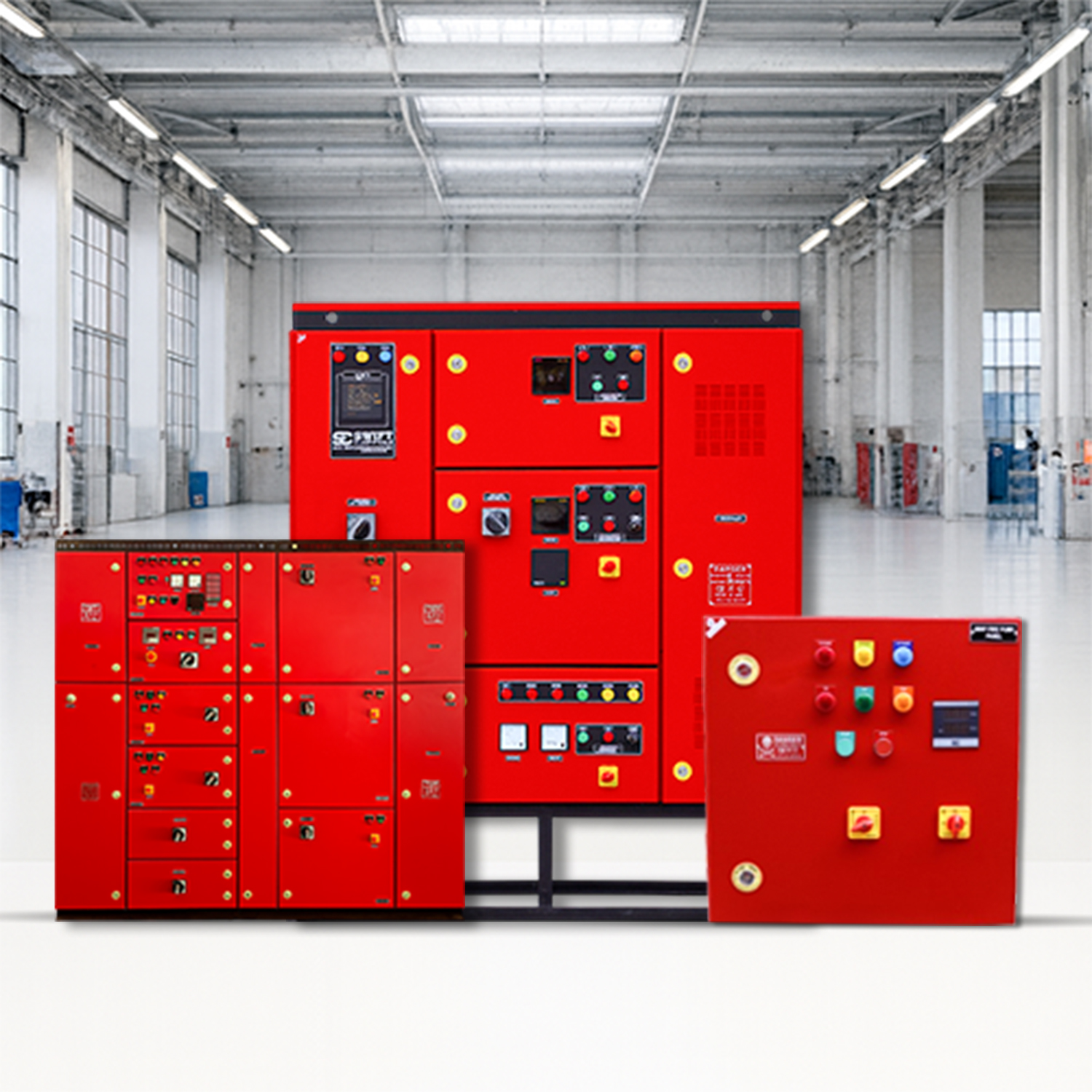
Outdoor electrical panel enclosures are the silent guardians of critical electrical equipment, shielding them from the relentless forces of nature. Selecting the appropriate enclosure is not merely a choice but a necessity for ensuring operational integrity, safety, and longevity. Factors such as environmental exposure, required protection levels, and internal space considerations all play a pivotal role. Swiftkon Electromech Pvt. Ltd. understands the complexities involved and offers expertise in providing robust solutions tailored to diverse industrial needs, including specialized outdoor panel designs.
Understanding the Importance of Outdoor Electrical Enclosures
Electrical systems, especially those operating outside the controlled environment of a building, are vulnerable to a host of environmental challenges. Rain, snow, dust, extreme temperatures, humidity, and even direct sunlight can degrade components, compromise connections, and lead to equipment failure. An appropriately rated outdoor electrical enclosure acts as a barrier, providing essential protection against these elements. This protection is vital for maintaining the reliability and safety of power distribution, control systems, and instrumentation.
Without adequate protection, outdoor electrical panels face risks of:
- Water Ingress: Leading to short circuits, corrosion, and component damage.
- Dust Contamination: Interfering with ventilation and potentially causing overheating or short circuits.
- Temperature Fluctuations: Affecting the performance and lifespan of electronic components.
- Corrosion: Particularly in coastal or industrial areas, degrading metal parts.
- UV Degradation: Weakening plastic components over time.
Swiftkon Electromech, with its specialization in electrical control panels, recognizes that the enclosure is as critical as the components within it, especially for applications exposed to the elements.
Essential Design and Functional Considerations
Beyond basic protection ratings and material, several design elements are crucial for the optimal performance and maintenance of an outdoor electrical panel enclosure:
Internal Space and Layout
Sufficient internal space is paramount. It must accommodate all electrical components, including the main panel, breakers, wiring, and any control or monitoring devices. Adequate room is also necessary for:
- Cable Entry and Management: Providing space for glands, conduits, and organized wiring.
- Ventilation and Thermal Management: Ensuring airflow to prevent overheating, especially in direct sunlight or warm climates. This may involve vents or even active cooling systems.
- Maintenance Access: Allowing technicians easy and safe access for inspections, repairs, or upgrades without disrupting the entire system.
- Future Expansion: Planning for potential additions of components or increased capacity.
Buyer Insight: Never underestimate the need for internal space. Cramped enclosures lead to poor airflow, difficult maintenance, and potential overheating, drastically shortening component life and increasing service costs.
Mounting, Doors, and Sealing
Consider how the enclosure will be mounted (pole, wall, ground). Doors should provide secure closure with robust latches and effective sealing mechanisms (gaskets) to maintain the integrity of the NEMA or IP rating. Hinges must be durable and resistant to environmental wear. Lockable doors are essential for security.
Compliance and Standards
Ensuring the enclosure complies with local electrical codes, industry standards, and specific project requirements is non-negotiable. This guarantees safety, reliability, and legal adherence.
Common Applications for Outdoor Electrical Panels
Outdoor electrical panel enclosures are indispensable across a wide range of sectors and applications where power distribution and control are needed in exposed environments:
| Application Area | Typical Use Case | Key Enclosure Needs |
|---|---|---|
| Industrial Facilities | Power distribution, motor control, process automation on plant exteriors. | High NEMA ratings (4X), corrosion resistance, robust construction. |
| Telecommunications | Housing sensitive communication equipment, power supplies, and battery backup. | Weatherproof, dust-tight, temperature control, secure locking. |
| Water and Wastewater Treatment | Powering pumps, control systems for valves, monitoring equipment. | Corrosion resistance (salt, chemicals), water/dust ingress protection. |
| Renewable Energy | Protecting inverters, charge controllers, and combiner boxes for solar or wind farms. | Weather resistance, UV protection, ventilation, secure access. |
| Traffic and Municipal Systems | Controlling traffic lights, street lighting, public announcement systems. | Durability, weatherproofing, tamper resistance. |
| Commercial Properties | Outdoor lighting controls, HVAC system power, security system access points. | Basic weather protection (e.g., NEMA 3R), aesthetics, security. |
Swiftkon Electromech: Your Partner for Outdoor Panel Solutions
Swiftkon Electromech Pvt. Ltd. possesses the expertise to design and manufacture reliable electrical control panels, including specialized outdoor types. With a vision for growth and a foundation built on retrofitting, repairs, and manufacturing, Swiftkon is equipped to address complex electrical panel needs. Their understanding of custom solutions means they can work with clients to develop panels that meet specific environmental and operational requirements, ensuring optimal protection for critical electrical components in outdoor settings.
Whether you require a standard outdoor panel or a custom-engineered solution, Swiftkon can provide panels designed for durability and performance. Their experience spans various panel types, demonstrating a comprehensive capability in electrical control systems.
Buyer's Guide: How to Choose Wisely
Selecting the correct outdoor electrical panel enclosure involves a systematic approach:
- Assess Environmental Conditions: Identify the primary environmental threats: rainfall intensity, dust levels, temperature extremes, humidity, salt spray, corrosive elements, UV exposure, and potential for physical impact.
- Determine Required Protection Level: Match the environmental assessment to appropriate NEMA or IP ratings. For example, a coastal area might necessitate NEMA 4X or IP66, while a more sheltered location might suffice with NEMA 3R.
- Evaluate Internal Component Needs: List all devices that will be housed within the enclosure and their space requirements. Consider wiring, ventilation needs, and potential for future growth.
- Select Appropriate Material: Choose a material that balances durability, resistance to local environmental factors, weight, and cost. Stainless steel for harshness, aluminum for versatility, or plastic for non-conductivity.
- Specify Mounting and Access: Determine the installation method and ensure the enclosure design facilitates secure mounting and easy, safe access for maintenance.
- Confirm Compliance: Verify that the chosen enclosure meets all relevant local codes and industry standards.
Questions to Ask Before You Buy:
- What specific NEMA or IP rating does this enclosure have, and what does it protect against?
- What materials is the enclosure constructed from, and what is their resistance profile?
- What are the internal dimensions and available mounting space?
- How is ventilation or thermal management addressed?
- What are the options for cable entry and sealing?
- Does the enclosure meet local electrical codes and relevant industry standards?
- Can the manufacturer provide custom modifications if needed?
Frequently Asked Questions
Can I use an indoor electrical enclosure outdoors?
No, it is strongly advised against using indoor enclosures outdoors. They are not designed to withstand weather elements like rain, snow, or dust, which can lead to water ingress, corrosion, short circuits, and premature equipment failure, posing significant safety risks.
What is the difference between NEMA 4 and NEMA 4X?
Both NEMA 4 and NEMA 4X enclosures offer protection against windblown dust and rain, and hose-directed water. The key difference is that NEMA 4X adds a significant level of corrosion resistance, making it ideal for environments where the enclosure might be exposed to saltwater, harsh chemicals, or other corrosive substances.
How important is ventilation for outdoor electrical panels?
Ventilation is crucial for outdoor electrical panels, especially in warmer climates or direct sunlight. Components generate heat, and without adequate airflow, temperatures inside the enclosure can rise to levels that damage sensitive electronics, reduce their lifespan, and potentially cause system malfunctions.
Does Swiftkon offer custom outdoor electrical panel solutions?
Yes, Swiftkon Electromech Pvt. Ltd. specializes in designing and manufacturing custom electrical control panels. This capability extends to creating tailored outdoor panel solutions to meet specific project requirements and environmental challenges.
Secure Your Electrical Systems with Expert Enclosures
Selecting the right outdoor electrical panel enclosure is a critical decision that impacts the reliability, safety, and longevity of your electrical infrastructure. Don't compromise on protection. Swiftkon Electromech Pvt. Ltd. offers a range of expertise and custom solutions to ensure your equipment is shielded against the harshest environmental conditions.
Explore Swiftkon's Electrical Panel Solutions