


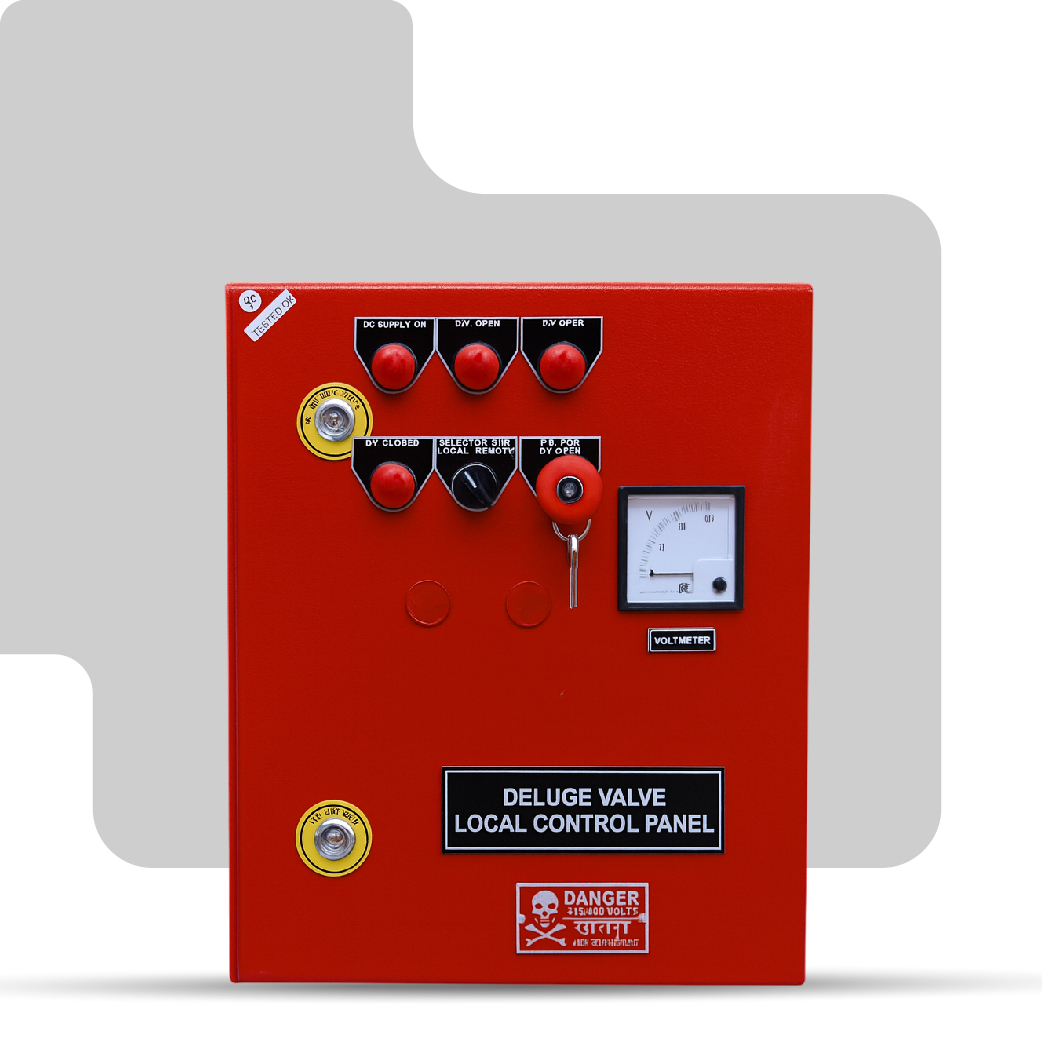
Electrical control panels are the backbone of modern industrial electrical systems. Understanding how electrical control panels work is essential for industries that depend on automation, safe power distribution, and efficient machine control. These panels function as the central hub where electrical power is distributed and monitored to control machinery, production lines, and infrastructure equipment.
In manufacturing facilities, infrastructure projects, and automation systems, electrical control panels ensure that machines operate smoothly while maintaining safety standards. They manage electrical signals, protect equipment from faults, and allow operators to control various processes from a centralized location.
An electrical control panel is an enclosed system that houses electrical components responsible for controlling and managing equipment operations. These panels are commonly installed in industrial plants, commercial facilities, and infrastructure systems where multiple machines or motors require centralized control.
Inside the enclosure, a combination of electrical devices work together to distribute power, control circuits, and automate machinery. Components such as circuit breakers, relays, contactors, timers, meters, PLC systems, and protective devices are arranged in an organized structure to ensure reliable system performance.
The design of a control panel is engineered based on the requirements of the system it supports. Industrial automation panels, motor control panels, and distribution panels all have different configurations depending on the equipment they manage.
The working principle of an electrical control panel begins with receiving electrical power from the main supply line. This incoming power enters the panel through protective devices such as circuit breakers that regulate voltage and protect against overload or short circuits.
Once power enters the panel, it is distributed through various circuits depending on the machines or equipment connected to the system. Control devices such as relays and contactors manage the switching operations that start or stop motors and equipment.
Modern panels often include programmable logic controllers (PLC) that allow automated control of industrial processes. Sensors and feedback devices communicate with the control panel to ensure that machinery operates within defined parameters, improving both safety and productivity.
Circuit Breakers
Protect the system by automatically disconnecting power during overloads or electrical faults.
Contactors
Switch electrical circuits and control high power equipment such as motors and pumps.
Relays
Control low power signals that activate larger electrical switching mechanisms.
Programmable Logic Controller (PLC)
Used in advanced automation systems to control industrial processes through programmable logic.
Electrical control panels are widely used in many industries where automated systems and controlled electrical distribution are required. They help manage equipment operations, improve safety, and enhance productivity in large scale industrial environments.
Manufacturing plants and automated production lines
Water treatment systems and pumping stations
Power distribution infrastructure and electrical networks
Building management and facility automation systems
Electrical control panels provide several advantages in industrial and commercial electrical systems. Their centralized control capabilities help improve operational efficiency while maintaining high safety standards.
Centralized monitoring and control of electrical equipment
Improved operational safety through protective devices
Efficient automation of complex industrial processes
Better energy management and electrical system performance
Swiftkon Electromech Pvt. Ltd specializes in the design and manufacturing of advanced electrical control panels that meet the requirements of modern industries. With extensive engineering expertise and a strong focus on quality, the company delivers reliable solutions for automation and electrical distribution systems.
Their product range includes DOL starter panels, Star Delta panels, Fire Pump panels, AMF panels, MCC panels, PCC panels, and customized automation control panels. Every panel is engineered using high quality components and strict quality control processes to ensure long term reliability and safety.
The primary function of an electrical control panel is to distribute electrical power and control machinery operations safely and efficiently.
They are widely used in manufacturing plants, infrastructure projects, automation systems, and industrial facilities.
Typical devices include circuit breakers, relays, PLC systems, contactors, timers, and protection components.
They ensure safe power distribution, improve automation efficiency, and protect equipment from electrical faults.