


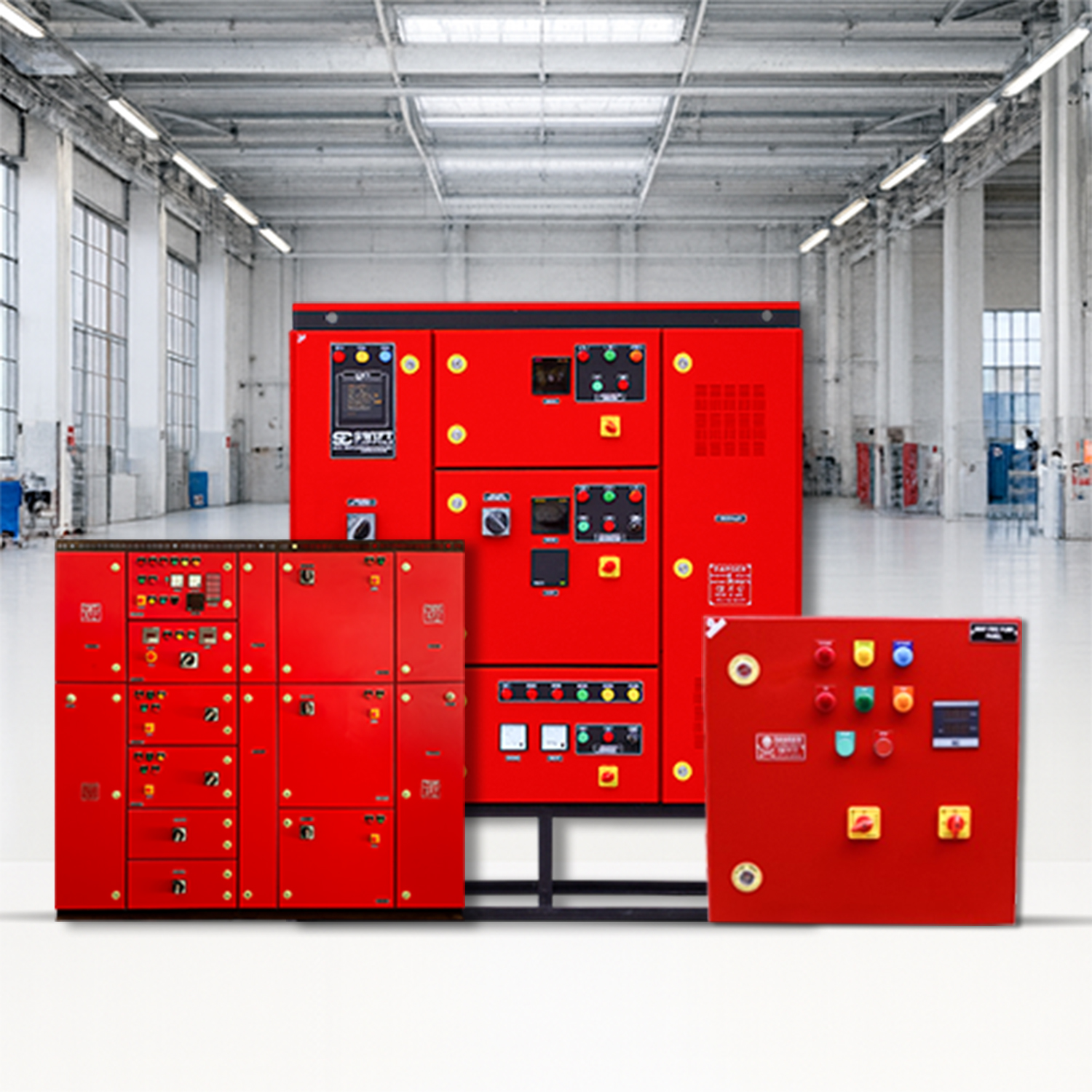
HMI Control Panel Uses in Modern Factory Automation
Explore HMI control panel uses in modern factory automation. Learn how Swiftkon Electromech Pvt. Ltd. in Ahmedabad provides reliable solutions for enhanced indu
What is an HMI Control Panel? An Overview
An HMI (Human-Machine Interface) control panel is an electronic device that provides a user-friendly interface for operators to interact with industrial machinery and automated processes. It typically consists of a touchscreen display, buttons, or other input devices, connected to a programmable logic controller (PLC) or other control system. The HMI translates complex machine data into easily understandable visual information, such as graphs, charts, and status indicators. This allows operators to monitor operations, adjust parameters, receive alarms, and control equipment with ease and accuracy.
Key Features and Technical Specifications
HMI control panels are designed with a range of features to enhance usability and functionality in industrial environments. When specifying or selecting an HMI panel, consider these critical aspects:
- Touchscreen Display: High-resolution, responsive touchscreens for intuitive navigation and data input.
- Programmable Logic Controller (PLC) Integration: Seamless connectivity and communication with various PLC brands and models.
- Data Logging and Trending: Capability to record operational data for analysis, troubleshooting, and performance tracking.
- Alarm Management: Configurable alarm notifications and event logging for immediate issue identification.
- Customizable User Interfaces: Ability to design screen layouts, graphics, and navigation tailored to specific applications.
- Multi-language Support: Options for displaying information in multiple languages to accommodate diverse workforces.
- Robust Construction: Industrial-grade enclosures designed to withstand harsh environmental conditions (dust, moisture, vibration).
- Connectivity Options: Support for various communication protocols (Ethernet/IP, Modbus, Profibus) for integration into larger networks.
Industrial Applications and Use Cases
The versatility of HMI control panels makes them indispensable across a wide spectrum of industrial applications. Their ability to simplify complex operations and provide critical insights drives efficiency and safety.
- Manufacturing Process Monitoring: Real-time tracking of production line status, machine performance, and output quantities.
- Automated Machine Control: Direct operation and parameter adjustment for CNC machines, robotic arms, and assembly lines.
- Food and Beverage Production: Precise control of mixing, baking, packaging, and sterilization processes, ensuring product quality and safety.
- Pharmaceutical Manufacturing: Strict adherence to process parameters for drug formulation, filling, and packaging, vital for compliance.
- Water and Wastewater Treatment: Monitoring and control of pumps, valves, chemical dosing, and filtration systems.
- Material Handling Systems: Operation and supervision of conveyor belts, automated guided vehicles (AGVs), and robotic sorting systems.
- Energy and Power Generation: Monitoring of turbines, generators, and distribution networks for optimal performance and safety.
- Building Automation: Centralized control of HVAC, lighting, and security systems in large industrial facilities.
How to Choose the Right HMI Control Panel
Selecting the appropriate HMI control panel is crucial for successful automation implementation. A thoughtful approach ensures that the chosen system meets current needs and future scalability.
- Application Requirements: Clearly define the specific machines, processes, and tasks the HMI will control and monitor.
- Display Size and Resolution: Consider the complexity of the interface and the amount of information to be displayed.
- Connectivity and Communication Protocols: Ensure compatibility with existing PLCs and plant network infrastructure.
- Environmental Conditions: Select a panel with an enclosure rating suitable for the operating environment (e.g., NEMA or IP ratings).
- Operator Skill Level: Opt for an interface that is intuitive and easy to use for the intended operators.
- Data Logging and Reporting Needs: Determine the extent of historical data and reporting capabilities required for analysis.
- Scalability and Future Expansion: Choose a system that can accommodate future additions or modifications to the automation system.
- Supplier Support and Expertise: Partner with a manufacturer that offers reliable technical support and customization services.
Quality Standards and Compliance
Ensuring that HMI control panels meet stringent quality standards and compliance regulations is vital for operational reliability and safety. In India, adherence to standards set by the Bureau of Indian Standards (BIS) and international bodies like the International Electrotechnical Commission (IEC) is paramount. Panels should be designed and manufactured to withstand the electrical and environmental stresses of industrial settings. Look for certifications that indicate compliance with safety norms, such as CE marking for European markets, or specific Indian standards relevant to electrical equipment. A reputable manufacturer will provide documentation detailing their adherence to these standards, assuring buyers of the panel's robustness and safety.
Why Swiftkon Electromech's Experience and Capability Matters
At Swiftkon Electromech Pvt. Ltd., our extensive experience in designing and manufacturing electrical control panels, including advanced HMI solutions, sets us apart. Based in Ahmedabad, we understand the unique demands of Gujarat's industrial landscape. Our engineering team possesses deep expertise in automation technology, enabling us to develop custom HMI panels that precisely match client requirements. We meticulously manage our manufacturing processes, from component selection to final assembly, ensuring every panel is built to last.
Our commitment to quality control is unwavering. We conduct rigorous testing at each stage to guarantee performance, reliability, and safety. This dedication means our clients receive HMI control panels that not only meet but exceed expectations, contributing directly to their operational efficiency and productivity. Swiftkon Electromech is your trusted partner for robust, intelligent automation solutions.
Installation, Maintenance, and Care Tips
Proper installation and regular maintenance are key to maximizing the lifespan and performance of your HMI control panel.
- Installation: Ensure the panel is installed in a clean, dry location away from direct sunlight and excessive heat or vibration. Proper grounding is essential for electrical safety and to prevent interference. Follow the manufacturer's wiring diagrams precisely.
- Cleaning: Regularly clean the touchscreen and enclosure with a soft, dry cloth. For stubborn dirt, use a mild, non-abrasive cleaner specifically designed for electronic displays. Avoid spraying liquids directly onto the panel.
- Software Updates: Keep the HMI's operating software and firmware up to date. Manufacturers often release updates to improve performance, add features, or patch security vulnerabilities.
- Routine Checks: Periodically check for loose connections, damaged cables, and any signs of wear or environmental damage.
- Alarm Monitoring: Pay close attention to any alarm messages displayed on the HMI. Address these promptly to prevent minor issues from escalating into major problems.
- Backup Data: Regularly back up critical configuration and historical data from the HMI to prevent loss in case of hardware failure.
Frequently Asked Questions
The primary function of an HMI control panel is to serve as a user-friendly interface between human operators and complex industrial machinery or automated processes. It allows operators to monitor machine status, adjust operating parameters, receive alerts, and control equipment through an intuitive visual display, enhancing operational efficiency and safety.
HMI panels improve factory automation by providing real-time data visualization, simplifying complex control sequences, and enabling quick adjustments. This leads to better process control, reduced errors, faster response times to issues, and improved overall productivity and quality of manufactured goods.
Yes, HMI control panels are highly customizable. They can be programmed with custom screens, specific alarm logic, tailored data logging, and unique user interfaces to match the exact requirements of a particular machine, process, or industry application.
Key benefits include enhanced operator control and understanding, improved process efficiency, reduced downtime through better monitoring and faster troubleshooting, increased safety by providing clear warnings and operational feedback, and better data collection for analysis and continuous improvement.
HMI panels integrate with PLCs and other control systems through various communication protocols such as Ethernet/IP, Modbus, Profibus, and DeviceNet. This allows the HMI to read data from and send commands to the PLC, acting as the central point of interaction for the automated system.
HMI control panels are typically built with robust enclosures designed to withstand industrial environments. This often includes protection against dust, moisture (water jets), vibration, and extreme temperatures, with specific ratings like IP65 or NEMA 4X indicating their resilience.
Conclusion
For industries in Ahmedabad looking to elevate their automation capabilities, investing in advanced HMI control panels is a strategic move. These systems offer unparalleled insight and control over complex operations, driving efficiency, reducing errors, and enhancing safety. Swiftkon Electromech Pvt. Ltd. is dedicated to providing robust, reliable, and customized HMI solutions tailored to the specific needs of modern factories. By partnering with us, you gain access to engineering expertise and quality manufacturing that ensures your automation investments deliver maximum value and long-term performance.
Get In Touch
Swiftkon Electromech Pvt. Ltd.