


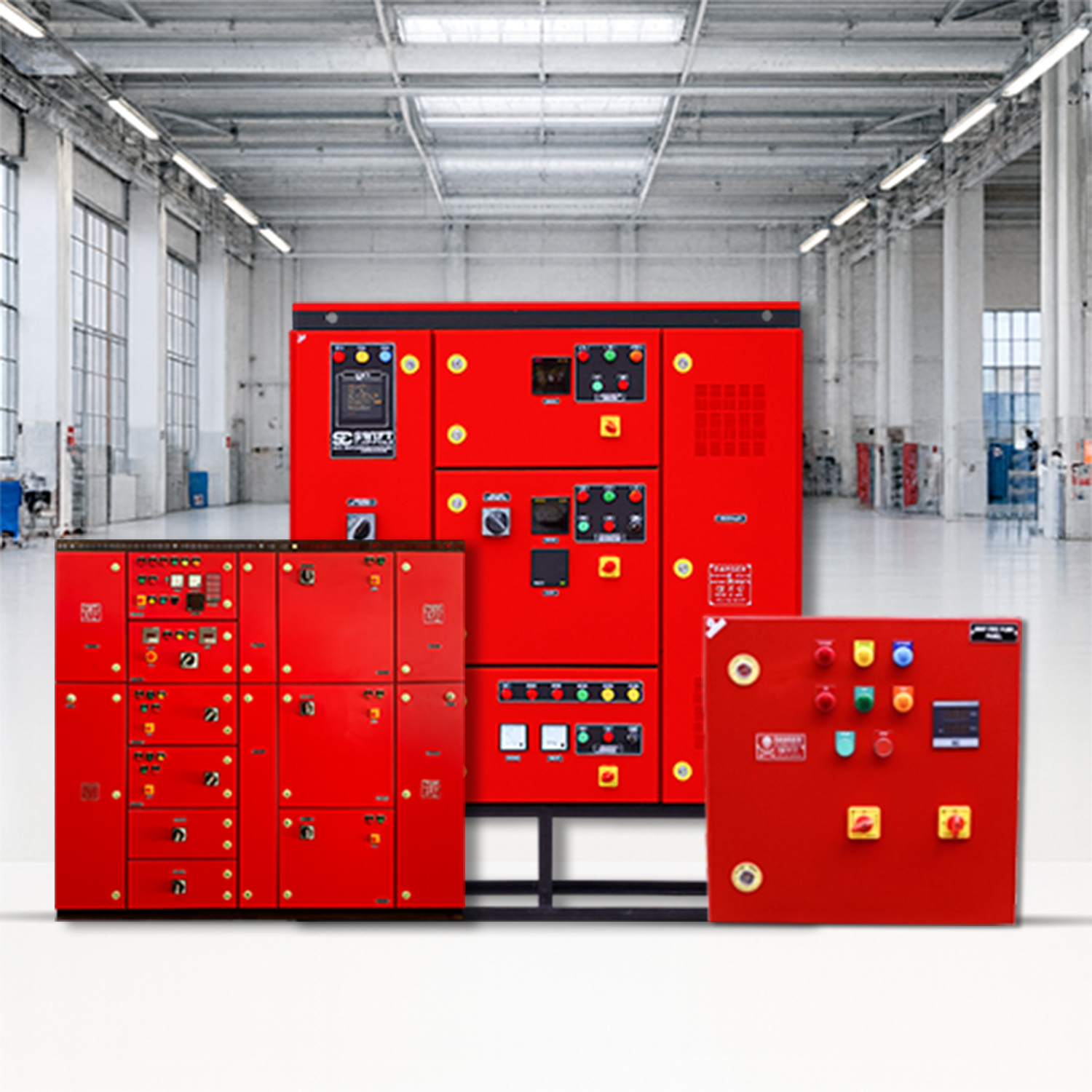
Electrical Control Panel Components and Their Functions
Explore essential electrical control panel components and their functions for industrial systems in Ahmedabad. Learn how Swiftkon Electromech ensures reliable,
Why This Matters in Ahmedabad
Ahmedabad stands as a significant industrial hub in Gujarat, with a diverse landscape encompassing manufacturing, textiles, pharmaceuticals, and a rapidly expanding infrastructure sector. Each of these industries relies heavily on robust and precisely controlled electrical systems. The demand for efficient power management and automation solutions drives the need for well-designed electrical control panels. Understanding the components within these panels ensures that local industries can maintain operational continuity, enhance safety protocols, and adapt to evolving production demands without compromise.
What Is an Electrical Control Panel — Overview
An electrical control panel is an enclosed unit that houses various electrical components designed to control, monitor, and protect an industrial process or machinery. It acts as a centralized interface where operators can manage power flow, initiate sequences, and receive feedback on system status. Essentially, it integrates multiple devices—from power distribution to logic controllers and human-machine interfaces—into a cohesive system. The panel’s primary role is to ensure the safe and efficient operation of connected equipment by managing electrical signals and power.
Key Features and Technical Specifications
The effectiveness of an electrical control panel hinges on the precise selection and integration of its individual components. Each element serves a specific purpose, contributing to the overall functionality and safety of the system.
- Circuit Breakers (MCBs/MCCBs): Provide overcurrent and short-circuit protection, automatically tripping to prevent damage to equipment and wiring.
- Contactors: Electrically operated switches used for switching an electrical power circuit, commonly found in motor control applications.
- Thermal Overload Relays: Protect motors from overheating due to sustained overcurrent conditions, often paired with contactors.
- Programmable Logic Controllers (PLCs): Industrial digital computers adapted for the control of manufacturing processes or robotic devices, offering flexible automation.
- Variable Frequency Drives (VFDs): Control the speed and torque of AC motors by varying the motor input frequency and voltage.
- Push Buttons and Selector Switches: Manual input devices for starting, stopping, or selecting operational modes.
- Indicator Lights/Pilot Lamps: Provide visual feedback on the status of a machine or process, such as "Run," "Stop," or "Fault."
- Terminal Blocks: Modular, insulated blocks that secure two or more wires together, providing a safe and organized connection point within the panel.
- Power Supplies: Convert incoming AC voltage to the DC voltage required by control circuits and electronic components like PLCs.
Industrial Applications and Use Cases
Electrical control panels, built from these fundamental components, are indispensable across a wide spectrum of industrial environments. Their versatility allows for tailored solutions in various critical applications.
- Manufacturing Automation: Controlling assembly lines, robotic systems, and processing machinery in industries like automotive, food processing, and textiles.
- Water Treatment Plants: Managing pumps, valves, and chemical dosing systems for municipal and industrial water purification.
- HVAC Systems: Regulating large-scale heating, ventilation, and air conditioning units in commercial buildings and industrial facilities.
- Power Distribution: Housing switchgear and protective devices for safe and efficient power distribution within factories and complexes.
- Fire Pump Systems: Ensuring the reliable automatic or manual operation of fire pumps in emergency situations, adhering to strict safety codes.
- Material Handling: Operating conveyors, cranes, and automated storage and retrieval systems in logistics and warehousing.
- Plastic Machinery: Providing precise control for injection molding machines, extruders, and other plastic processing equipment.
How to Choose the Right Electrical Control Panel Components
Selecting the appropriate electrical control panel components is a critical step in designing a reliable and efficient system. Buyers must consider several factors to ensure the panel meets operational demands and safety standards.
- Capacity and Rating: Verify that each component's current, voltage, and power ratings match or exceed the system's requirements, including potential surge loads.
- Environmental Suitability: Assess the operating environment (temperature, humidity, dust, vibrations) and choose components with appropriate IP ratings and material specifications.
- Certifications and Standards: Ensure components comply with relevant national and international electrical standards (e.g., IS, IEC, UL, CE) for safety and performance.
- Compatibility and Integration: Confirm that all selected components are compatible with each other and can be seamlessly integrated into the overall control system architecture.
- Supplier Reputation and Support: Partner with suppliers known for quality components, reliable technical support, and readily available spare parts.
- Ease of Maintenance and Accessibility: Consider components that allow for straightforward installation, troubleshooting, and replacement to minimize downtime.
- Customization Potential: Evaluate if components can be configured or customized to meet specific application needs, especially for unique industrial processes.
Quality Standards and Compliance
Adherence to stringent quality standards and compliance regulations is non-negotiable for electrical control panel components. These standards ensure the safety, reliability, and interoperability of electrical systems. Buyers should always verify that components carry certifications such as ISI (Indian Standards Institute) for the Indian market, ISO (International Organization for Standardization) for quality management systems, and IEC (International Electrotechnical Commission) for electrical and electronic technologies. Compliance with these benchmarks indicates that components have undergone rigorous testing and meet specified performance and safety criteria. Verifying these certifications before selection helps mitigate risks and ensures long-term operational integrity.
Why Company Experience and Capability Matters
The complexity of modern industrial processes demands more than just individual components; it requires expertly engineered solutions. Swiftkon Electromech Pvt. Ltd. brings a robust history and deep technical capability to the design and manufacturing of advanced electrical control panels. Our journey, beginning with panel retrofitting and evolving into a full-fledged manufacturing unit, has instilled a comprehensive understanding of diverse industrial needs. We specialize in a range of panels, including DOL starters, Star-Delta panels, Fire Pump panels, AMF panels, and MCC & PCC panels, all built to meet national and international standards.
Our skilled team leverages modern facilities and a strict quality control process to ensure every panel is engineered for superior performance. From initial design to final assembly, we focus on precision and durability. This commitment extends to our ability to provide tailor-made solutions, addressing the unique requirements of various industries. We prioritize reliable delivery and comprehensive after-sales support, ensuring that our clients receive not just a product, but a dependable electrical solution backed by years of focused experience.
Installation, Maintenance, and Care Tips
Proper installation, regular maintenance, and diligent care are crucial for maximizing the lifespan and ensuring the safe operation of electrical control panels. Following these guidelines can prevent costly downtime and extend the efficiency of your industrial systems.
- Professional Installation: Always engage qualified electricians or technicians for panel installation. Ensure proper grounding, secure wiring, and adherence to all local electrical codes and manufacturer specifications.
- Environmental Control: Maintain the panel's operating environment within specified temperature and humidity ranges. Protect it from excessive dust, moisture, and corrosive elements.
Regular Inspections:
Conduct visual inspections periodically to check for loose connections, frayed wires, signs of overheating, or physical damage to components.
Verify the functionality of indicator lights, push buttons, and emergency stop mechanisms.
- Cleaning: Power down the panel before cleaning. Use dry, non-conductive methods to remove dust and debris from components and ventilation openings. Avoid using liquids that could cause short circuits.
- Component Testing: Periodically test protective devices like circuit breakers and overload relays to ensure they trip correctly. Check the calibration of meters and sensors.
- Thermal Scanning: Utilize thermal imaging cameras to identify hot spots within the panel, which can indicate loose connections or failing components before they lead to a breakdown.
- Documentation: Keep accurate and up-to-date wiring diagrams, component lists, and maintenance logs. This aids in troubleshooting and future upgrades.
- Preventive Replacement: Based on manufacturer recommendations and operational hours, consider preventive replacement of wear-and-tear components like contactors, relays, and fans.
Frequently Asked Questions
The primary function of an electrical control panel is to centralize the control and monitoring of machinery or industrial processes. It houses various electrical components that manage power distribution, automate operations, and provide protective measures against electrical faults. This centralization ensures efficient system management, enhances operational safety, and allows for precise control over complex industrial equipment.
Miniature Circuit Breakers (MCBs) and Molded Case Circuit Breakers (MCCBs) are crucial protective devices within a control panel. They automatically interrupt the electrical circuit when an overcurrent or short-circuit fault occurs. This action prevents damage to connected equipment, wiring, and minimizes the risk of electrical fires, thereby safeguarding both assets and personnel from potential hazards.
Programmable Logic Controllers (PLCs) serve as the intelligent brain of modern control panels, enabling automation and complex process control. They receive inputs from sensors, execute programmed logic, and send outputs to actuators, motors, and other devices. PLCs allow for flexible, reconfigurable control systems that can adapt to changing production requirements without extensive re-wiring, significantly improving efficiency and precision.
Proper component selection is crucial for panel longevity because it directly impacts the system's reliability, safety, and operational lifespan. Using components with appropriate ratings, quality certifications, and environmental suitability ensures they can withstand operational stresses and environmental conditions. This meticulous selection minimizes premature failures, reduces maintenance frequency, and prevents costly downtime, contributing to sustained performance.
Effective maintenance practices that extend a control panel's life include regular visual inspections for wear and tear, tightening loose connections, and cleaning internal components to prevent dust buildup. Periodic testing of protective devices, thermal scanning for hot spots, and ensuring adequate ventilation are also vital. Adhering to a scheduled preventive maintenance plan helps identify and address potential issues before they escalate.
While many electrical control panel components adhere to international standards (like IEC, UL, or IS) for dimensions, ratings, and performance, not all components are universally standardized. There can be variations in specific features, communication protocols, or proprietary designs between manufacturers. It is essential to ensure compatibility and compliance with relevant industry standards when selecting components for a specific application or system.
Conclusion
Understanding the intricate network of electrical control panel components and their functions is fundamental for any industrial operation seeking reliability and efficiency. From basic protective devices to advanced automation controllers, each element plays a vital role in ensuring seamless processes and operational safety. For businesses in Ahmedabad, selecting the right components and partnering with an experienced manufacturer is key to building robust and future-ready electrical infrastructure. Swiftkon Electromech Pvt. Ltd. is committed to delivering expertly engineered control panel solutions, ensuring that every component contributes to the overall integrity and performance of your industrial systems.
Get In Touch
Swiftkon Electromech Pvt. Ltd.