


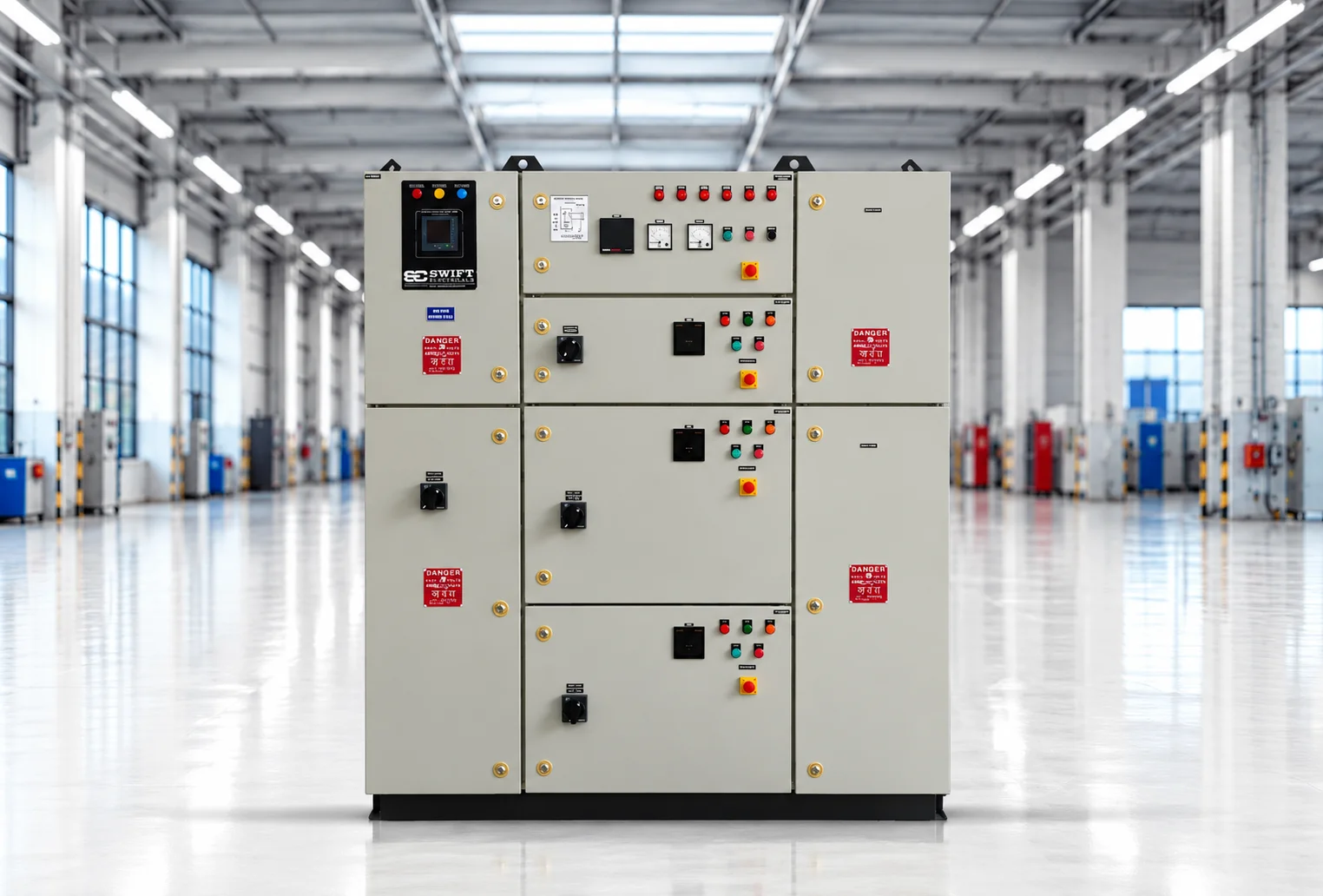
difference between MCC and PCC panel
In the intricate world of industrial electrical systems, two types of panels frequently emerge: the Motor Control Center (MCC) panel and the Power Control Center (PCC) panel. While both are critical components for managing electrical power, they serve distinct primary functions. Understanding the fundamental difference between MCC and PCC panels is paramount for designing, operating, and maintaining efficient, safe, and reliable industrial operations. This guide will delve into the specifics of each, highlighting their unique roles, applications, and how they work in tandem to ensure seamless power distribution and motor management.
Understanding the Core Functions: MCC vs. PCC
At its heart, the electrical infrastructure of any industrial facility relies on sophisticated control and distribution systems. The difference between MCC and PCC panel lies in their primary purpose: a PCC panel is designed for broad power distribution, acting as a central hub to receive and distribute main electrical power, whereas an MCC panel is specifically engineered for the control, operation, and protection of multiple electric motors.
Think of it this way: the PCC is the main traffic controller for electricity entering and leaving different zones of your facility, ensuring power is reliably supplied. The MCC, on the other hand, is the specialized supervisor for the machinery’s workhorses – the motors. It ensures each motor operates optimally, starts smoothly, stops safely, and is protected from electrical faults.
Swiftkon Electromech Pvt. Ltd. specializes in designing and manufacturing a comprehensive range of customized electrical control panels, including both sophisticated MCC and PCC solutions tailored to meet the unique demands of various industrial applications. Our expertise ensures that whether you need centralized power distribution or precise motor control, you receive a reliable, safe, and efficient panel solution.
Power Control Center (PCC) Panel: The Electrical Hub
A Power Control Center (PCC) panel serves as the primary distribution point for electrical power within a facility. It receives high-capacity power from a main source, such as a transformer or a generator, and then distributes this power safely to various downstream distribution panels, machinery, or different sections of the plant. The PCC is the nerve center for incoming power management.
Buyer Insight: A PCC panel is your facility's main electrical gateway. Its primary job is to take a large incoming power feed and break it down safely for distribution to various parts of your operation. Consider its capacity and the number of outgoing feeders required for your facility’s layout.
Key Characteristics of a PCC Panel:
- Primary Function: Power distribution and management from the main source.
- Location: Typically installed near the main power source (e.g., transformer, generator).
- Capacity: Built to handle high current loads, often ranging from 800 Amps to 6300 Amps.
- Components: Commonly includes Air Circuit Breakers (ACBs), Molded Case Circuit Breakers (MCCBs), robust busbars, protection relays, and metering instruments for monitoring power quality and consumption.
- Role in System: Acts as the upstream distribution point, feeding power to other panels, including MCCs.
Applications of PCC Panels:
PCC panels are indispensable in settings that require robust and reliable power distribution, such as:
- Industrial manufacturing plants
- Large commercial buildings
- Data centers
- Power generation facilities
- High-rise structures
Swiftkon Electromech designs PCC panels to ensure safe, stable, and efficient power distribution, meeting the critical demands of these environments.
Motor Control Center (MCC) Panel: The Motor Maestro
A Motor Control Center (MCC) panel is a centralized assembly of distinct motor control units, each containing a variable number of motor starters and feeders. Its core purpose is to control, operate, and protect electric motors used in various industrial processes. An MCC panel allows for the starting, stopping, monitoring, and protection of individual motors or groups of motors.
Key Characteristics of an MCC Panel:
- Primary Function: Control, operation, and protection of electric motors.
- Location: Usually placed closer to the machinery or equipment it serves, often in the production area.
- Capacity: Generally handles lower current ranges compared to PCC panels, focused on individual motor power requirements.
- Components: Features components like contactors, overload relays, motor protection devices, Variable Frequency Drives (VFDs), and soft starters to manage motor performance and safety.
- Role in System: Acts as a downstream panel, receiving power from a PCC and distributing controlled power to motors.
Applications of MCC Panels:
MCC panels are vital for any operation that relies heavily on electric motors for its processes:
- Manufacturing and production lines
- Water and wastewater treatment plants
- HVAC systems (controlling fans, pumps)
- Conveyor systems
- Pumping stations
Swiftkon Electromech excels in creating customized MCC panels that enhance operational efficiency and protect valuable motor assets, incorporating advanced features for precise motor management.
Key Differences: MCC vs. PCC Panel at a Glance
The fundamental difference between MCC and PCC panel stems from their primary objectives within an electrical system. While both are crucial, their roles are complementary rather than interchangeable.
| Feature | PCC Panel (Power Control Center) | MCC Panel (Motor Control Center) |
|---|---|---|
| Primary Function | Power distribution from the main source. | Control and protection of electric motors. |
| Power Handling | High current, main power distribution. | Lower current, focused on motor circuits. |
| Typical Location | Near main power source (transformer/generator). | Near the motors they control. |
| Key Components | ACBs, MCCBs, Busbars, Protection Relays, Meters. | Contactors, Overload Relays, VFDs, Soft Starters. |
| System Placement | Upstream distribution. | Downstream control. |
| Main Purpose | Distribute power safely. | Manage motor operations. |
The Synergy: How PCC and MCC Panels Work Together
In most industrial facilities, PCC and MCC panels do not operate in isolation; they form an integrated system. The typical flow of power demonstrates their interdependence:
- Main Power Source: Electricity enters the facility from the grid or a generator.
- PCC Panel: The incoming power is routed to the PCC panel. Here, it’s managed, protected, and distributed to different sections or downstream panels.
- MCC Panel: The PCC supplies power to one or more MCC panels.
- Motor Control: Each MCC panel then takes this supplied power and distributes it to individual motors, providing precise control, monitoring, and protection for each motor’s operation.
This hierarchical structure ensures that power is managed efficiently from the main intake to the individual operational components. For example, a main LT Panel (Low Tension) often acts as the primary distribution panel, which could function as a PCC or feed into a dedicated PCC. From there, power goes to an MCC panel that controls the motors for an HVAC chiller system, or individual VFD panels that manage specific motor speeds. Swiftkon Electromech offers integrated solutions that encompass main LT panels, VFD panels, and comprehensive MCC panel designs, ensuring a cohesive and optimized electrical system.
Choosing the Right Panel: Factors to Consider
Selecting the appropriate electrical control panels is crucial for operational efficiency, safety, and longevity. When deciding between or specifying MCC and PCC panels, consider the following:
Critical Selection Criteria:
Load Requirements
Assess the total power demand and the specific requirements for distribution (PCC) versus motor control (MCC).
System Architecture
Understand how power flows in your facility to determine the optimal placement and function of PCC and MCC panels.
Protection & Safety
Ensure panels incorporate adequate protective devices (circuit breakers, relays) suitable for the application (power distribution vs. motor protection).
Control & Automation Needs
Consider the level of automation required for motors (e.g., VFDs, soft starters) which are typical in MCC panels.
Questions to Ask Before Buying:
- What is the primary function required: power distribution or motor control?
- What are the precise voltage and current ratings needed for the application?
- What level of protection and fault current withstand capability is necessary?
- Are there specific environmental conditions the panel must endure?
- What kind of monitoring and control features are essential for operation and maintenance?
- What are the physical space constraints for installation?
Swiftkon Electromech works closely with clients to understand these nuances, providing customized panel solutions that precisely match application requirements, ensuring optimal performance and safety.
Swiftkon Electromech: Your Partner in Electrical Control Panels
At Swiftkon Electromech Pvt. Ltd., we leverage our extensive expertise in designing and manufacturing high-quality electrical control panels to provide reliable solutions for diverse industrial needs. Our comprehensive product range includes Main LT Panels, PDB Panels, VFD Panels, HVAC Chiller Panels, and crucially, robust PCC and MCC panels.
Our commitment to excellence is reflected in our meticulous manufacturing process, which spans from detailed estimation and engineering design to precision production, rigorous testing, and quality checks. We understand that the difference between MCC and PCC panel is significant, and we are adept at crafting each to its specific purpose with utmost accuracy.
We ensure our panels are:
- Customized: Designed to meet your specific load requirements, machinery, applications, and technical specifications.
- Reliable: Built with high-quality components and stringent testing for consistent performance.
- Safe: Adhering to safety standards to protect personnel and equipment.
- Efficient: Optimized to enhance operational productivity and energy management.
With certifications such as CPRI, FSAI, MSME, and ZED, Swiftkon Electromech stands as a testament to our dedication to quality and compliance. We are equipped to handle complex projects and deliver solutions that drive industrial success.
Frequently Asked Questions (FAQ)
What is the main difference between an MCC and a PCC panel?
The main difference is their function: A PCC panel is for distributing main electrical power from a source, while an MCC panel is for controlling and protecting individual electric motors.
Can a PCC panel be used as an MCC panel?
While both are low-voltage switchboards, they are designed for different purposes. Using a PCC panel for motor control might lack the specific protective and control features required for motors, and vice versa. It is best to use panels designed for their intended functions.
Where are PCC and MCC panels typically installed?
PCC panels are usually installed near the main power source (like transformers), while MCC panels are installed closer to the machinery they control.
What are the common components in an MCC panel?
Common components include contactors, overload relays, VFDs (Variable Frequency Drives), soft starters, and motor protection relays.
What are the common components in a PCC panel?
Common components include Air Circuit Breakers (ACBs), Molded Case Circuit Breakers (MCCBs), heavy-duty busbars, protection relays, and metering instruments.
Does Swiftkon Electromech offer both PCC and MCC panels?
Yes, Swiftkon Electromech Pvt. Ltd. specializes in designing and manufacturing customized PCC and MCC panels, along with a wide range of other electrical control panels, to meet specific industrial requirements.
Ready to Optimize Your Electrical Systems?
Understanding the difference between MCC and PCC panel is the first step towards ensuring efficient and safe operations. Swiftkon Electromech Pvt. Ltd. offers expert design and manufacturing of customized PCC, MCC, and other specialized electrical control panels. Let us help you find the perfect solution for your facility's unique needs.
Get a Custom Panel Solution Today