


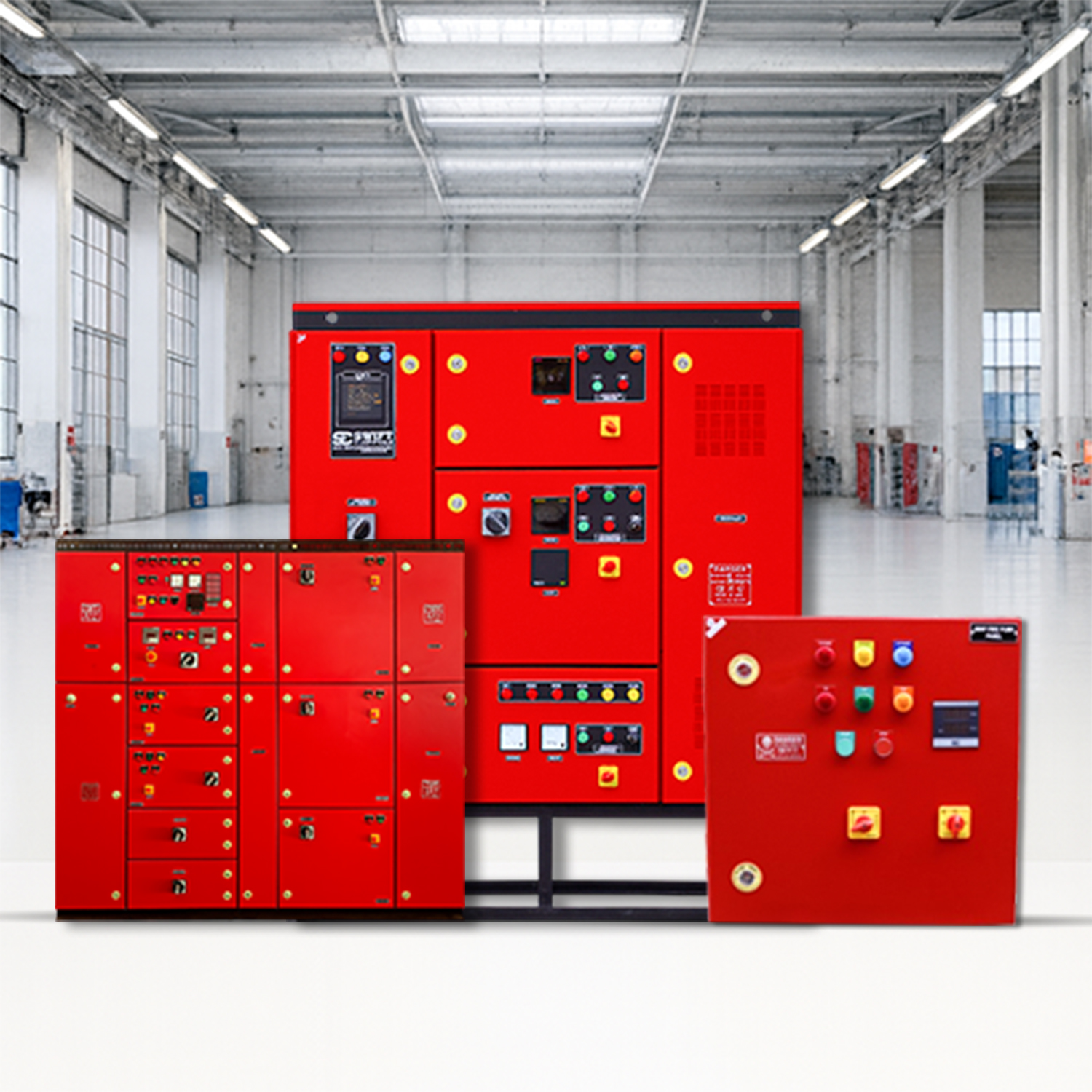
Complete Guide to MCC, PCC, APFC and VFD Panels
Expert guide to MCC, PCC, APFC, and VFD panels. Learn about features, applications, and selection for your industrial needs in Ahmedabad.
Why This Matters in Ahmedabad
Ahmedabad, a bustling industrial hub in Gujarat, relies heavily on robust electrical infrastructure to power its diverse manufacturing, textile, pharmaceutical, and chemical sectors. Efficient power management and precise motor control are not just beneficial; they are critical for maintaining competitiveness and operational continuity. Businesses in Ahmedabad face unique challenges related to power quality, energy consumption, and the need for reliable automation. Investing in the right MCC, PCC, APFC, and VFD panels directly addresses these local demands, leading to reduced operational expenses, enhanced productivity, and compliance with stringent industrial standards prevalent in the region.
What Are MCC, PCC, APFC, and VFD Panels? — Overview
These four types of electrical panels serve specialized functions within an industrial electrical system. A Motor Control Center (MCC) is a centralized assembly of motor controllers, typically housed in a single or multiple sections, designed to provide power and control to electric motors. A Power Control Center (PCC) is similar but focuses on controlling and distributing power to various loads, not just motors, often serving as the main distribution point. APFC panels automatically adjust the power factor of an electrical system by switching capacitor banks in or out, thereby reducing reactive power demand and improving overall efficiency. VFD panels house Variable Frequency Drives, electronic devices that control the speed and torque of AC electric motors by varying the frequency and voltage of the power supplied to them.
Key Features and Technical Specifications
Each panel type boasts specific features tailored to its function:
- MCC Panels: Centralized motor control, modular design for scalability, integrated starters (DOL, Star-Delta), variable frequency drives, protective relays, and communication capabilities.
- PCC Panels: Main power distribution, circuit breakers and fuses for protection, busbars for current distribution, metering for load monitoring, and robust construction for high current handling.
- APFC Panels: Automatic capacitor bank switching, digital power factor controllers, reactive power compensation, harmonic filters (optional), and status indicators for capacitor banks.
- VFD Panels: Precise speed control, soft start/stop capabilities, energy savings through reduced power consumption, motor protection features, and programmable parameters for various applications.
Industrial Applications and Use Cases
These panels find extensive use across various industrial sectors:
- MCC Panels: Managing multiple motors in manufacturing plants, conveyor systems, pump stations, HVAC systems, and automated production lines.
- PCC Panels: Main power distribution in factories, commercial buildings, substations, and large infrastructure projects, feeding power to various machinery and equipment.
- APFC Panels: Improving power factor in facilities with significant inductive loads like large motors, transformers, and induction furnaces, common in textile mills and heavy manufacturing.
- VFD Panels: Controlling fan speeds in HVAC systems, regulating pump flow rates, managing speeds in material handling equipment, and optimizing processes in chemical plants and water treatment facilities.
How to Choose the Right Panel
Selecting the appropriate panel requires careful consideration of your operational needs:
- System Load and Capacity: Determine the total power requirement and the specific load types (motors, general loads) to match panel capacity.
- Motor Control Needs: For motor control, assess if simple on/off (MCC) or variable speed control (VFD) is required.
- Power Factor Requirements: If energy bills show high reactive power charges, an APFC panel is likely necessary.
- Automation and Integration: Consider panels with communication ports for integration into SCADA or PLC systems.
- Environmental Conditions: Assess the operating environment (dust, humidity, temperature) to select appropriate enclosure ratings (IP rating).
- Safety and Compliance: Ensure the panel meets relevant national and international safety standards (e.g., IS, IEC).
- Supplier Expertise: Choose a manufacturer with proven experience in designing and building the specific type of panel you need.
- After-Sales Support: Verify the availability of maintenance, repair, and technical support services.
Quality Standards and Compliance
Adherence to quality standards and compliance is paramount for the safe and reliable operation of electrical control panels. In India, panels should ideally comply with Bureau of Indian Standards (BIS) specifications and relevant Indian Standards (IS) such as IS 8623 for metal-enclosed switchgear and controlgear assemblies. International standards like IEC (International Electrotechnical Commission) also provide crucial guidelines. Manufacturers like Swiftkon Electromech Pvt. Ltd. often adhere to ISO 9001 for quality management systems, ensuring consistent product quality. Buyers should always verify that the panels are manufactured according to these standards, with proper testing and certification provided by the supplier.
Why Swiftkon Electromech's Experience and Capability Matters
At Swiftkon Electromech Pvt. Ltd., our extensive experience in designing and manufacturing electrical control panels, including MCC, PCC, APFC, and VFD types, is built on a foundation of engineering excellence and a deep understanding of industrial needs. Our Ahmedabad-based facility is equipped with modern manufacturing technology, enabling us to produce panels that meet stringent quality benchmarks. Our team comprises skilled engineers and technicians with years of hands-on experience in electrical system design, component selection, and panel assembly. We pride ourselves on our rigorous quality control processes, ensuring that every panel leaving our premises is reliable, safe, and performs optimally.
We understand that each industrial application is unique. Therefore, our capability extends to providing customized solutions, meticulously engineered to integrate seamlessly with your existing infrastructure. Our commitment to timely delivery and comprehensive after-sales support further solidifies our position as a trusted partner for businesses seeking dependable electrical control solutions in Ahmedabad and beyond. We focus on building long-term relationships by consistently delivering value and exceeding customer expectations through our technical prowess and dedication to quality.
Installation, Maintenance, and Care Tips
Proper installation and regular maintenance are crucial for the longevity and performance of your control panels.
- Installation: Ensure panels are installed in a clean, dry, and well-ventilated area, away from direct sunlight and corrosive elements. All connections should be made by qualified electricians according to the manufacturer's wiring diagrams and local electrical codes. Proper grounding is essential for safety.
- Routine Checks: Regularly inspect for loose connections, signs of overheating (discoloration), dust accumulation, and any physical damage.
- Cleaning: Periodically clean the interior of the panel to prevent dust buildup, which can lead to short circuits or overheating. Use compressed air or a soft brush. Ensure the power is completely disconnected before cleaning.
- Component Testing: For APFC panels, periodically check the functionality of capacitor banks and the controller. For VFD panels, monitor motor performance and check drive parameters.
- Preventive Maintenance: Schedule professional preventive maintenance checks annually or bi-annually, depending on the operating environment and criticality of the equipment. This includes checking protective relays, contactors, and overall system integrity.
Frequently Asked Questions
An MCC panel is specifically designed to house motor starters and controls for electric motors, offering centralized management of motor operations. A PCC panel, on the other hand, is a broader power distribution panel that controls and distributes power to various electrical loads, not exclusively motors, often serving as the main distribution hub.
An APFC panel saves energy by automatically switching capacitor banks to compensate for reactive power. This improves the power factor, reducing the total apparent power drawn from the grid and thereby lowering electricity bills, especially in facilities with significant inductive loads.
VFD panels are primarily designed for AC induction motors. While they offer excellent speed control and energy savings for these motors, their compatibility with other motor types, like DC motors or synchronous motors, would require specific configurations or different drive technologies.
The key benefits of VFD panels include precise speed control for motors, significant energy savings by matching motor speed to load requirements, reduced mechanical stress on motors through soft starting and stopping, and enhanced process control and efficiency.
You should look for panels that comply with Indian Standards (IS) such as IS 8623, and ideally, are manufactured under an ISO 9001 certified quality management system. CE marking is also a significant indicator of compliance with European safety standards.
The frequency of servicing depends on the operating environment and criticality. For standard industrial environments, annual preventive maintenance is recommended. In harsh or demanding conditions, servicing might be required every six months to ensure optimal performance and safety.
Conclusion
Understanding the distinct roles of MCC, PCC, APFC, and VFD panels is fundamental for optimizing industrial operations in Ahmedabad. Whether you need centralized motor management, robust power distribution, improved power factor, or precise motor speed control, selecting the right panel type from an experienced manufacturer is crucial. Swiftkon Electromech Pvt. Ltd. offers a comprehensive range of high-quality, reliable electrical control panels, backed by our engineering expertise and commitment to customer satisfaction. By carefully considering your specific application needs and partnering with a trusted supplier, you can enhance efficiency, ensure operational safety, and achieve significant cost savings.
Get In Touch
Swiftkon Electromech Pvt. Ltd.