

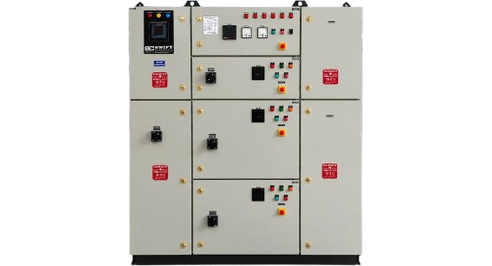
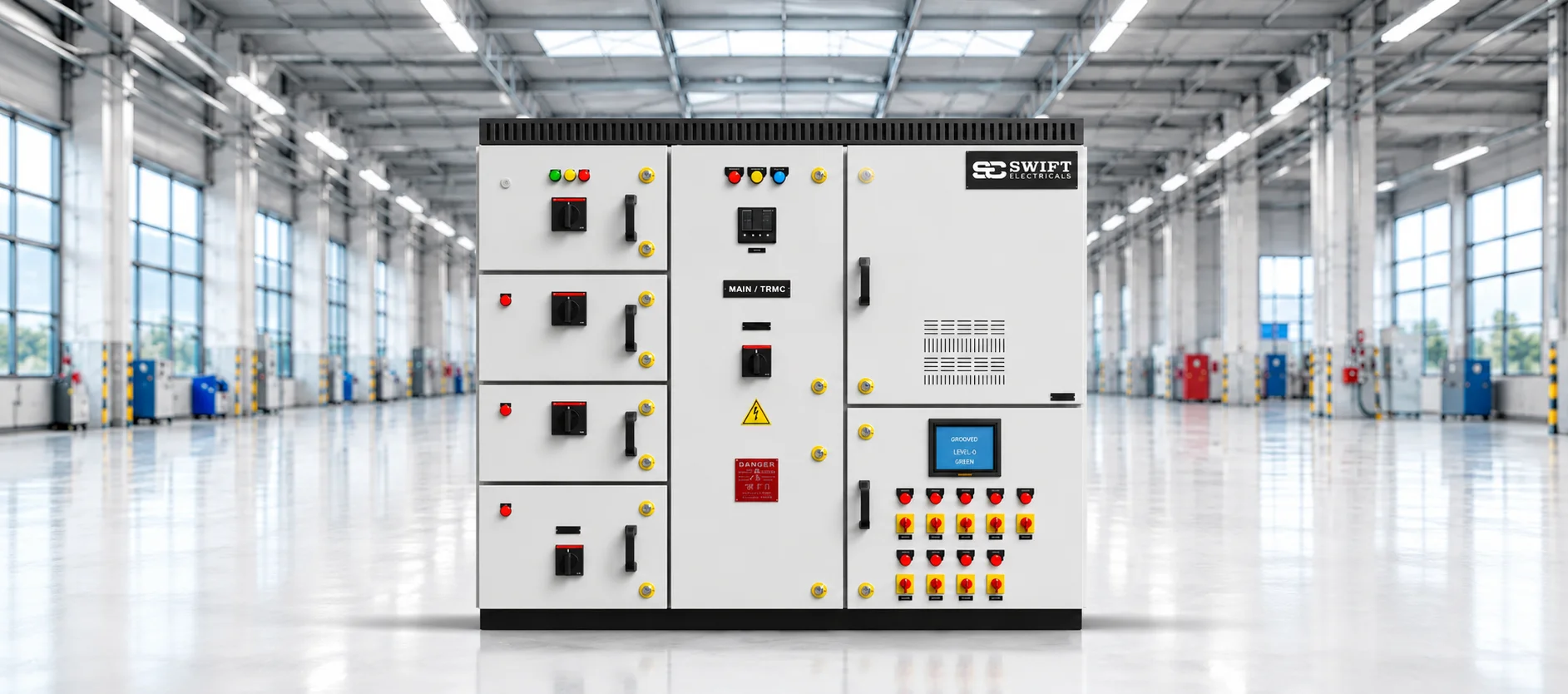
what is APFC panel
In the realm of industrial and commercial electrical systems, optimizing power usage is paramount for both cost savings and operational efficiency. A key component in achieving this optimization is the Automatic Power Factor Correction (APFC) panel. Understanding what an APFC panel is, how it functions, and its benefits can lead to significant improvements in energy management and equipment longevity.
What is an APFC Panel?
An Automatic Power Factor Correction (APFC) panel is an intelligent electrical device designed to monitor and improve the power factor of an electrical system. The power factor is a measure of how effectively electrical power is being used. It's the ratio of real power (used to do work) to apparent power (the product of voltage and current). A power factor close to unity (ideally 0.98 to 0.99 lagging) indicates efficient power utilization, while a low power factor signifies inefficiency, leading to wasted energy and increased costs.
APFC panels achieve this by automatically detecting the reactive power demand of the system and switching in appropriate capacitor banks. These capacitor banks supply the necessary reactive power to counteract inductive loads (like motors and transformers), thereby bringing the overall power factor closer to the desired unity. This dynamic adjustment ensures that the power factor remains optimized regardless of fluctuations in the electrical load, making it an indispensable component in modern electrical infrastructure.
Why is Power Factor Correction Important?
Maintaining an optimal power factor is crucial for several reasons:
- Reduced Electricity Bills: Utility companies often impose penalties on industrial and commercial consumers for maintaining a low power factor. By improving the power factor, APFC panels help eliminate these penalties, leading to substantial savings on electricity bills.
- Improved System Efficiency: A low power factor means that more current is flowing through the electrical system than is necessary to perform the work. This excess current, known as reactive current, increases losses in cables, transformers, and other equipment, leading to overheating and reduced efficiency. Correction reduces this excess current.
- Increased System Capacity: By reducing the reactive current, an APFC panel effectively increases the power handling capacity of the existing electrical infrastructure, such as transformers and wiring. This can defer or eliminate the need for costly upgrades to handle growing loads.
- Extended Equipment Lifespan: Reduced current flow and less reactive power demand lead to lower operating temperatures for electrical components like motors and transformers, reducing stress and extending their operational life.
- Voltage Stability: Power factor correction can help stabilize voltage levels within the system, preventing voltage drops under heavy load conditions.
How Does an APFC Panel Work?
The operation of an APFC panel is based on sophisticated monitoring and control mechanisms:
- Monitoring: An APFC relay, the