

how to choose control panel manufacturer
Choosing the right control panel manufacturer is a critical decision that directly impacts the reliability, safety, and efficiency of your industrial or commercial operations. With numerous options available, navigating the selection process can be daunting. This comprehensive guide will walk you through the essential factors to consider, ensuring you partner with a manufacturer that meets your specific needs and delivers exceptional value.
Understanding the Importance of Control Panels
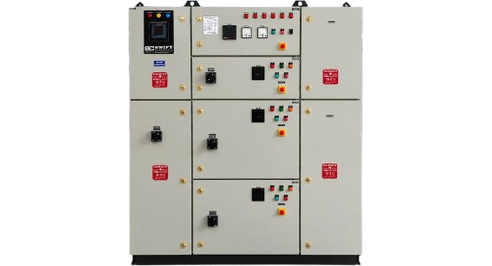
Control panels are the brains behind many automated processes and electrical systems. They house the essential components that monitor, control, and manage machinery and power distribution. From simple relay logic to complex PLC-driven systems, a well-designed control panel is vital for seamless operation, energy efficiency, and the safety of personnel and equipment.
The complexity and specificity of control panels mean that their design and manufacturing require specialized expertise. Partnering with an experienced and reputable control panel manufacturer is not just about acquiring a product; it's about ensuring a robust solution tailored to your unique operational demands.
Key Considerations When Choosing a Control Panel Manufacturer
When evaluating potential control panel manufacturers, several critical factors should guide your decision-making process. These factors ensure you select a partner capable of delivering a high-quality, reliable, and cost-effective solution.
1. Expertise and Experience
Look for a manufacturer with a proven track record in designing and building control panels for similar applications to yours. Their experience should encompass a deep understanding of electrical engineering principles, industry standards, and the specific technologies relevant to your project (e.g., VFDs, PLCs, APFC systems).
2. Product Range and Customization Capabilities
Does the manufacturer offer a standard range of panels that might suit your needs, or do they specialize in custom-built solutions? For most industrial applications, customization is key. A good manufacturer will work closely with you to understand your specific load requirements, machinery, project scope, and operational environment to engineer a tailored solution.
3. Quality Assurance and Testing Processes
Robust quality assurance (QA) is non-negotiable. Inquire about their QA procedures throughout the manufacturing process, from material selection to final assembly. What testing protocols do they employ? Do they conduct Factory Acceptance Tests (FAT) or offer Third-Party Inspection (TPI)? Certifications like CPRI indicate a commitment to rigorous testing and quality standards.
4. Adherence to Industry Standards and Certifications
Ensure the manufacturer complies with relevant national and international industry standards (e.g., IEC, NEMA). Certifications such as MSME, ZED, and FSAI demonstrate their commitment to quality, safety, and regulatory compliance.
5. Safety Features and Reliability
Control panels manage potentially hazardous electrical systems. Prioritize manufacturers who integrate comprehensive safety features into their designs, such as proper grounding, circuit protection, emergency stops, and arc flash mitigation where applicable. Reliability ensures minimal downtime and consistent performance.
6. Project Management and Communication
A well-managed project relies on clear communication. The manufacturer should provide regular updates, be responsive to queries, and have a structured approach to project timelines, from estimation and design to dispatch and after-sales support.
7. After-Sales Support and Service
What support do they offer post-installation? This can include technical assistance for commissioning, troubleshooting, and maintenance. A commitment to long-term support ensures the longevity and optimal performance of your control panel.
Common Applications and Types of Control Panels
Control panels are indispensable across a wide array of industries. Understanding the different types and their applications can help you articulate your needs more precisely to a manufacturer.
Fire Pump Control Panels
Essential for fire safety systems, these panels automatically start and monitor fire pumps.
Power Distribution & LT Panels
Distribute electrical power throughout a facility, including specialized outdoor versions for challenging environments.
MCC & PCC Panels
Motor Control Centers (MCC) and Power Control Centers (PCC) manage multiple motors and power distribution, respectively.
VFD Panels
Integrate Variable Frequency Drives to precisely control motor speed, saving energy and improving process control.
HVAC & Blower Panels
Control heating, ventilation, air conditioning, and blower systems for climate control and air quality management.
APFC Panels
Automatic Power Factor Correction (APFC) panels improve power factor, reducing energy costs and reactive power penalties.
Partnering with Swiftkon Electromech for Your Control Panel Needs
Swiftkon Electromech Pvt. Ltd. is a specialized manufacturer dedicated to providing high-quality, reliable, and efficient electrical control panels. With a customer-centric approach, they engineer solutions tailored to the diverse needs of industrial and commercial applications.
Expert Design and Manufacturing
Swiftkon offers a comprehensive range of products including Fire Pump Control Panels, Power Distribution & LT Panels (including outdoor types), MCC, PCC, VFD Panels, HVAC Chiller Panels, Blower Panels, and PDB with APFC Panels. Their manufacturing process is meticulous, covering everything from initial estimation and design to material planning, production, rigorous testing, quality checks, and final dispatch.
Customized Solutions
Understanding that each application is unique, Swiftkon excels in providing custom-built control panels. They work closely with clients to ensure their solutions are perfectly engineered for specific load requirements, machinery, and project objectives.
Commitment to Quality and Safety
Quality and safety are paramount at Swiftkon. Their dedication is reflected in their adherence to industry best practices and their certifications, including CPRI, FSAI, MSME, and ZED. Every panel undergoes thorough quality checks to ensure reliability and compliance.
Comprehensive Support
Beyond manufacturing, Swiftkon provides essential technical support for installation, testing, and commissioning, ensuring a smooth transition and optimal performance of their control panels. Their commitment extends to after-sales support, providing peace of mind for their clients.
Buyer Checkpoint: Questions to Ask Potential Manufacturers
- Can you provide examples of similar control panels you have manufactured?
- What is your quality assurance process, and what testing is performed?
- Do you adhere to specific industry standards like IEC or NEMA?
- What customization options are available to meet our specific load and operational requirements?
- What is your typical lead time for design, manufacturing, and delivery?
- What after-sales support and warranty services do you offer?
- Can you provide documentation on certifications (e.g., CPRI, MSME)?
Frequently Asked Questions
What is the primary function of an electrical control panel?
An electrical control panel serves as the central hub for monitoring, controlling, and managing electrical systems and machinery. It houses components like circuit breakers, relays, PLCs, and HMIs to ensure efficient and safe operation.
Why is customization important for control panels?
Customization is crucial because every industrial process and application has unique requirements for power, control logic, safety features, and environmental conditions. A custom-built panel ensures optimal performance, efficiency, and safety tailored to specific needs.
What does VFD stand for and why are VFD panels important?
VFD stands for Variable Frequency Drive. VFD panels are important because they allow for precise control over the speed of electric motors. This capability leads to significant energy savings, improved process control, and reduced mechanical stress on machinery.
What are the benefits of choosing a manufacturer with CPRI certification?
CPRI (Central Power Research Institute) certification indicates that the control panels have undergone rigorous testing and meet high standards for safety, performance, and reliability as per specific Indian and international standards. It assures clients of the product's quality.
How can a control panel improve operational efficiency?
Well-designed control panels enhance operational efficiency by automating processes, enabling precise control over machinery, optimizing energy usage (e.g., through APFC or VFDs), and reducing manual intervention, which minimizes errors and downtime.
Conclusion: Making an Informed Choice
Selecting the right control panel manufacturer is a strategic decision that requires careful consideration of expertise, quality, customization, and support. By understanding your operational needs and evaluating manufacturers against key criteria, you can identify a partner who will provide a durable, efficient, and safe control panel solution.
A reliable control panel is an investment in your operational integrity. Prioritize manufacturers who demonstrate a clear commitment to quality, safety, and customer satisfaction, ensuring your systems operate at peak performance for years to come.
Ready to find the perfect control panel solution?
Swiftkon Electromech Pvt. Ltd. offers custom-designed electrical control panels backed by expertise and a commitment to quality. Let us help you engineer the ideal solution for your industrial and commercial needs.
Explore Swiftkon's Solutions